
Viz.ai
Overview
Viz.ai is an enterprise-grade, AI-powered care coordination platform designed to accelerate diagnostic and treatment decisions across clinical networks. The platform utilizes advanced algorithms to analyze medical imaging and diagnostic data, including CT scans, EKGs, and echocardiograms, automatically detecting suspected pathologies in real time.
The platform is built for multidisciplinary clinical teams, including specialists in neurology, cardiology, vascular medicine, pulmonology, oncology, trauma, and radiology, operating in emergency, acute, and outpatient care settings. By integrating directly into existing hospital imaging and communication systems, Viz.ai automatically flags critical findings and sends secure, mobile alerts to the relevant specialists.
Key capabilities and clinical suites include:
- Viz Neuro: Detects large vessel occlusions (LVO), cerebral aneurysms, and hemorrhages to streamline acute stroke workflows.
- Viz Cardio & Vascular: Identifies conditions such as hypertrophic cardiomyopathy, aortic disease, and pulmonary embolism.
- Viz Pulmonary & Trauma: Assists in the rapid detection of pulmonary conditions and coordinates care for acute trauma cases.
- Viz Assist: A mobile and desktop workflow assistant that enables secure communication, image viewing, and coordinated patient triage.
Reviewed by Pouyan Golshani, MD — Interventional Radiologist
Key Features
- AI-powered disease detection and triage across multiple therapeutic areas
- Real-time insights and automated assessments from medical imaging data (CT, EKG, echocardiograms)
- Accelerated diagnosis and treatment decisions
- Streamlined clinical workflows and care coordination (Viz.ai One)
- HIPAA-compliant communication platform for multidisciplinary teams
- High-fidelity imaging access on mobile and web devices
- Viz Agent Studio for building and scaling custom AI care pathways
- Viz Assist for workflow support, including generative AI for clinical summaries and documentation
- Integration with existing PACS, EHR, and cloud environments
- Clinically validated with measurable impacts on patient and economic outcomes
Use Cases
- Accelerating detection and treatment of neurovascular diseases (e.g., LVO stroke, cerebral aneurysm, ICH)
- Transforming patient outcomes in cardiovascular diseases (e.g., HCM, ACS, cardiac amyloidosis)
- Improving patient management in vascular medicine (e.g., aortic disease, pulmonary embolism)
- Streamlining communications and improving patient response in trauma care
- Optimizing radiology workflows for faster diagnosis and treatment recommendations
- Early detection and guideline-directed interventions in oncology
What Physicians Need to Know
Leverage Viz.ai for rapid detection and triage of time-sensitive conditions like stroke, PE, and aneurysms to significantly reduce time to treatment. Utilize the integrated communication tools to quickly coordinate care with multidisciplinary teams across different locations. Customize alert settings to manage potential alert fatigue, focusing on critical notifications relevant to your workflow. Access high-fidelity images and AI insights on mobile devices for informed decision-making at the point of care. Integrate Viz.ai with existing PACS and EHR systems to streamline workflows and gain comprehensive patient context. For conditions like HCM and cardiac amyloidosis, use Viz.ai to aid in earlier identification and ensure patients are not lost to follow-up.
Viz.ai One is designed for broad interoperability, integrating seamlessly with existing Picture Archiving and Communication Systems (PACS), Electronic Health Records (EHR) systems, and cloud environments, including Microsoft Cloud for Healthcare. It also integrates with radiology worklist systems and communication platforms like Pulsara. The platform supports real-time data exchange and triggers workflows in connected systems, including Salesforce for life sciences and health systems, to facilitate coordinated action and patient activation. This extensive integration capability allows for a unified experience across the care continuum, providing relevant contextual data and AI insights directly within clinicians' existing workflows.
Details
| Category | Neurology AI, Radiology & Imaging AI, Triage & ER/ICU AI |
| Pricing |
Contact for pricing
|
| Deployment | Cloud-based |
| Compliance | |
| BAA Available | Unknown AI-estimated |
| HIPAA Compliant | Unknown AI-estimated |
| FDA Status |
1 AI-estimated Viz.ai's platform features more than 50 FDA-cleared AI algorithms. Specific FDA clearances include Viz LVO (Large Vessel Occlusion), Viz ICH (Intracerebral Hemorrhage), Viz CTP (CT Perfusion), Viz ANEURYSM, Viz SDH (Subdural Hemorrhage), and Viz HCM (Hypertrophic Cardiomyopathy), among others. |
| Integrations | |
| EHR | Not specified |
| Specialties | Emergency Medicine, Neurology, Radiology |
What the Web Says
Viz.ai is an AI-powered care coordination platform widely adopted in nearly 2,000 hospitals, primarily for its imaging triage capabilities in time-sensitive conditions like stroke and pulmonary embolism. Physicians generally view the platform positively, noting its ability to significantly reduce time-to-treatment and improve workflow efficiency. While the technology is praised for its accuracy and impact on patient care, some users have noted areas for improvement in user management and vendor support.
Overall: PositiveStrengths
- Significantly reduces time-to-treatment for critical conditions like stroke, PE, and aortic dissection.
- Improves care coordination and communication among multidisciplinary care teams.
- AI algorithms are highly accurate (around 95%) in detecting critical findings.
- Integrates well with existing hospital infrastructure like PACS and EHRs.
- Helps prioritize cases and allows for quicker decision-making by physicians.
- Non-technical users found the onboarding process relatively smooth.
Limitations
- Enterprise-only pricing makes it inaccessible to individual physicians.
- Occasional flagging of clinically insignificant findings (e.g., subsegmental PEs).
- Some users have experienced issues with SSO and user management.
- Vendor support has been responsive but not always timely.
- AI sometimes flags cases without displaying the specific area of concern, and study quality assurance can be suspect.
- Lack of statistically significant differences in patient clinical outcomes despite workflow improvements.
Based on reviews from: Clinical AI Report, CREAITIQUE, Comparably, FeaturedCustomers, G2, The Silicon Review, Viz.ai (Official Website/Blog), App Store, PMC (PubMed Central), Reddit, Forbes, Outofpocket.health, UC Davis Health
Last updated: 2026-07-22
Ratings & Reviews
No reviews yet. Be the first to review this tool!
Rate Viz.ai
Press & Coverage
Videos
Product demos, reviews, and walkthroughs for Viz.ai.
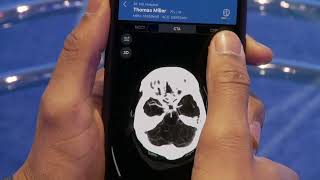
How Viz.ai Is Using Artificial Intelligence To Detect Diseases Faster And Save More Lives | Forbes

Frequently Asked Questions





Investors who backed Viz.ai
Funded through the company that built this tool.
