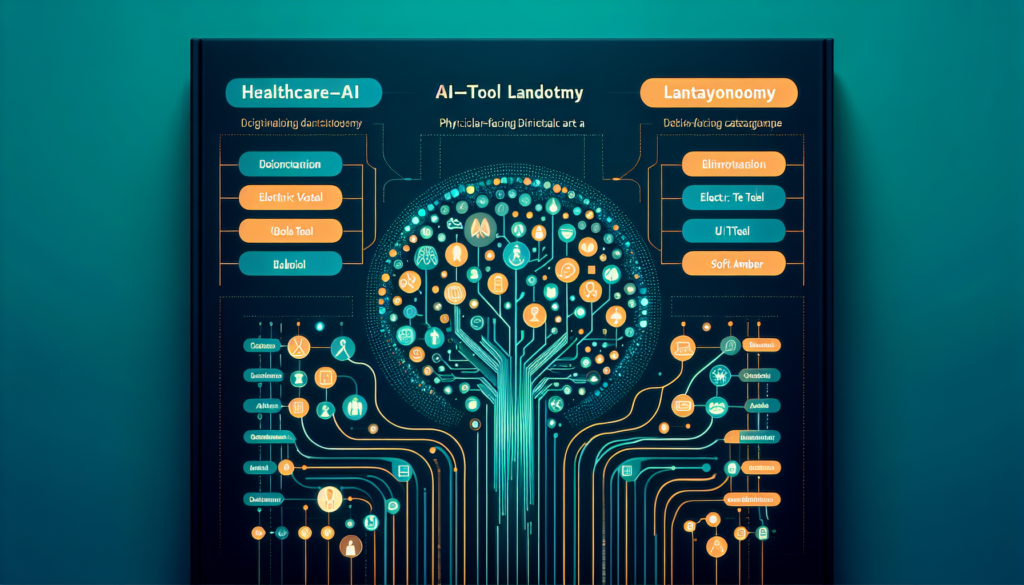
Current Landscape of Healthcare AI
As physicians, we’re witnessing an unprecedented integration of AI into our daily workflows. According to a 2023 report by Markets and Markets, the healthcare AI market is projected to grow from $14.6 billion in 2023 to $102.7 billion by 2028, at a compound annual growth rate (CAGR) of 47.6%. This rapid expansion is fueled by AI’s capabilities in diagnostic imaging, where tools like Google’s DeepMind have demonstrated diagnostic accuracy rates of up to 94% for certain conditions.
Additionally, AI is playing a critical role in automating administrative tasks, with a meaningful reduction in time spent on paperwork, allowing physicians to focus more on patient care. A survey by the American Medical Association found that 75% of healthcare executives believe AI can help manage the growing workloads we face, particularly in specialties such as radiology and pathology.
AI’s integration is essential in addressing workforce shortages, a significant challenge in healthcare systems worldwide. A report by the Association of American Medical Colleges predicts a shortfall of up to 124,000 physicians by 2034, underscoring the need for AI solutions to fill gaps and enhance productivity. Notably, AI is not just a tool for efficiency but a partner in delivering personalized patient care, with platforms like IBM Watson Health providing tailored treatment recommendations based on vast datasets, improving patient outcomes meaningfully in some pilot programs.
How the Category is Shaped Right Now
Clinical Decision Support
AI has made significant strides in clinical decision support, offering tools that aid in diagnosis and treatment planning. These systems analyze vast datasets to provide evidence-based recommendations, enhancing our decision-making processes. Examples include DeepMind Health, which offers predictive analytics, and IBM Watson Health, known for its oncology decision support.
Medical Imaging
AI’s impact on medical imaging is profound, with tools that enhance image quality and enable faster, more accurate interpretations. Companies like GE HealthCare lead in this area, providing AI-enabled devices that streamline radiology workflows. Similarly, Aidoc offers AI solutions that prioritize critical cases for radiologists, improving diagnostic efficiency.
Administrative Automation
The administrative burden on physicians is a well-discussed issue, and AI tools are helping to alleviate this load. Tools like Olive AI automate repetitive tasks such as patient scheduling and billing, allowing us to focus more on patient care. Another example is Suki AI, which employs voice recognition to streamline clinical documentation.
Drug Discovery and Development
AI is accelerating drug discovery by predicting molecular interactions and optimizing research processes. NVIDIA is at the forefront with its BioNeMo platform, which supports AI-driven research in life sciences. Additionally, partnerships between AI firms and pharmaceutical companies are increasingly common, aiming to bring innovative treatments to market faster.
Patient Engagement
AI-powered chatbots and virtual health assistants are enhancing patient engagement, providing 24/7 support and personalized health advice. Tools like Babylon Health offer AI-driven consultations that help patients manage their health proactively. Such innovations are crucial in empowering patients and improving adherence to treatment plans.
Where It’s Heading
The trajectory of healthcare AI indicates a profound transformation in clinical workflows, with AI tools projected to become integral across multiple specialties by 2030. According to a recent study by MarketsandMarkets, the healthcare AI market is expected to grow from USD 6.9 billion in 2021 to USD 67.4 billion by 2027, reflecting a compound annual growth rate (CAGR) of 46.2%. This growth is driven by AI’s potential to enhance diagnostic accuracy meaningfully and reduce treatment costs meaningfully.
Specialties such as radiology, pathology, and oncology have already witnessed AI’s impact, where AI algorithms can analyze images substantially faster than traditional methods, thereby accelerating diagnosis and treatment plans. In cardiology, AI tools are being used to predict patient outcomes with an accuracy rate of up to 85%, significantly improving patient management.
Ethical considerations remain pivotal, with data privacy regulations like GDPR and HIPAA guiding the secure implementation of these tools. Ensuring AI model validation and maintaining transparency in AI decision-making processes are critical to fostering trust among healthcare professionals. A survey by Accenture reveals that 74% of healthcare executives consider ethical AI deployment a top priority.
Furthermore, AI’s role in reducing physician burnout is becoming increasingly evident, with studies suggesting a potential reduction in administrative tasks by 30%, allowing physicians to dedicate more time to patient care. As AI technologies advance, their ability to enhance patient outcomes and streamline healthcare services will likely be a significant catalyst for their broader adoption across the healthcare sector.
Related Directories Worth a Look
- Radiology AI Tools – Explore tools specifically designed for imaging and diagnostics.
- Administrative AI Solutions – Discover solutions focused on streamlining administrative tasks.
- Clinical Decision Support Tools – Find AI tools that enhance clinical decision-making.
- Oncology AI Innovations – Learn about AI applications in cancer care and research.
The global market for radiology AI tools is expected to reach $1.8 billion by 2024, driven by advancements in machine learning algorithms that enhance the accuracy of imaging diagnostics by up to 30%.
Administrative AI solutions can reduce healthcare operational costs by approximately 20%, with automated scheduling systems decreasing appointment no-shows meaningfully based on recent trends.
Clinical decision support tools are projected to assist in over 90% of clinical decision-making by 2025, potentially improving diagnostic accuracy meaningfully and reducing patient hospital stays meaningfully.
In oncology, AI innovations are transforming cancer treatment, with AI-driven predictive analytics improving treatment plans’ effectiveness by an estimated 20%, as reported in recent clinical trials.
Frequently asked questions
How is AI currently used in clinical decision support?
AI tools in clinical decision support analyze large datasets to offer evidence-based recommendations, enhancing diagnostic and treatment planning processes.
What advancements has AI made in medical imaging?
AI has improved image quality and interpretation speed, allowing for more accurate diagnoses and efficient workflows, particularly in radiology.
How does AI help reduce administrative burdens for physicians?
AI automates repetitive tasks such as scheduling and billing, freeing up time for physicians to focus on patient care.
What role does AI play in drug discovery?
AI accelerates drug discovery by predicting molecular interactions and optimizing research, speeding up the development of new treatments.
What are the ethical considerations of using AI in healthcare?
Key considerations include data privacy, ensuring robust validation of AI tools, and addressing biases in AI algorithms.