Cybersight AI
Overview
Cybersight AI is a clinical decision support tool for ophthalmology developed and maintained in-house by Orbis International. It utilizes artificial intelligence to detect diabetic retinopathy, glaucoma, and other conditions from fundus images. The tool is exclusively available in low- and middle-income countries (LMICs) at no cost to end-users. Cybersight AI aims to reduce screening and referral decision times from days or weeks to minutes, enable non-medical staff to perform screenings, and increase patient referral compliance. A randomized control trial in Rwanda showed that patients receiving immediate referral advice from Cybersight AI were 30% more likely to follow through with their referral. The platform also offers “Machine Mentoring,” which provides on-screen annotation and quantification of biomarkers and pathologies to educate healthcare providers. Cybersight AI is camera-agnostic, meaning it can be used with any high-quality fundus camera. It is available in two versions: Occasional Use via the Cybersight Consult Mobile app for results in one minute with a standard PDF report, and High Volume Screening for DR screening programs with results in five seconds and customized reports.
Reviewed by Pouyan Golshani, MD — Interventional Radiologist
Key Features
- AI-powered detection of diabetic retinopathy, glaucoma, and other eye conditions from fundus images
- Speed and efficiency: reduces screening and referral decision time to minutes
- Task shifting: enables non-medical staff (nurses, technicians, community health workers) to perform screenings
- Increased referral compliance: clinical trials show 30% higher follow-through with immediate referral advice
- Machine Mentoring: on-screen annotation and quantification of biomarkers and pathologies for educational purposes
- Camera-agnostic: compatible with any high-quality fundus camera
- Two versions: Occasional Use (mobile app, 1-minute results) and High Volume Screening (DR programs, 5-second results)
- Customized reports and protocols for high-volume screening
- Integration with Cybersight Consult for AI-only cases or second opinions with human mentors
- Data encryption in transit and storage, industry-standard security features
Use Cases
- Diabetic retinopathy screening programs in low- and middle-income countries
- Early detection of glaucoma and macular disease
- Clinical decision support for ophthalmology
- Training and education for eye health professionals (Machine Mentoring)
- Improving access to eye care in underserved regions
- Supporting remote mentorship and telemedicine consultations
Details
| Category | Clinical Decision Support & Reference, Ophthalmology AI |
| Pricing | Free — Available exclusively in low- and middle-income countries, at no cost to end-users. |
| Deployment | Cloud-based |
| Compliance | |
| BAA Available | Unknown AI-estimated |
| HIPAA Compliant | Unknown AI-estimated |
| FDA Status | Not applicable AI-estimated — Cybersight AI is not FDA approved or CE marked. |
| Integrations | |
| EHR | Not specified |
| Specialties | Endocrinology, Family Medicine, Ophthalmology |
What the Web Says
Cybersight AI, developed by Orbis, is generally well-received for its potential to democratize access to ophthalmic diagnostics, particularly in underserved regions. It is praised for its ability to assist in the detection of various eye conditions like glaucoma, diabetic retinopathy, and macular degeneration through AI-powered image analysis, making specialist-level insights available to a broader range of healthcare professionals.
Overall: PositiveStrengths
- Increases access to ophthalmic diagnostics in remote and underserved areas.
- Aids in early detection of serious eye conditions like glaucoma and diabetic retinopathy.
- User-friendly interface, making it accessible to non-specialists.
- Free to use, removing financial barriers to advanced diagnostic tools.
- Supports education and training for healthcare professionals.
- Potential to reduce the burden on ophthalmologists by triaging cases.
Limitations
- Relies on the quality of input images, which can vary.
- Not a substitute for a human ophthalmologist's diagnosis and treatment plan.
- Requires internet access, which may be limited in some target regions.
- Potential for over-reliance on AI without proper clinical oversight.
- Data privacy and security concerns, though Orbis states adherence to standards.
- Limited information on long-term clinical outcomes and large-scale impact studies.
Based on reviews from: Orbis International (Cybersight website), Healthcare IT News, Reddit (discussions on AI in healthcare), Medical journals and publications discussing AI in ophthalmology, Tech review sites focusing on healthcare innovation
Last updated: 2026-07-28
Ratings & Reviews
No reviews yet. Be the first to review this tool!
Rate Cybersight AI
Press & Coverage
Videos
Product demos, reviews, and walkthroughs for Cybersight AI.
How to use Cybersight AI
Cybersight

How AI is Revolutionizing Diabetic Retinopathy Screening: The Cybersight AI Solution
Cybersight
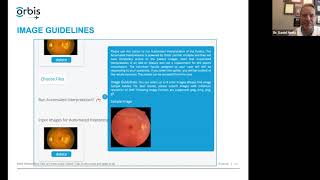
Lecture: Using Artificial Intelligence to Support Your Clinical Decision-Making
Cybersight

Orbis & Cybersight
Cell & Flare Clips

Lecture: 2nd Strauss Simulation Symposium: Models from AI, Simulation & Online Learning
Cybersight

Conferencia Orbis Cybersight
Clu00ednica de Oftalmologu00eda Sandiego (COSD)
No FAQs available yet for this tool.