Nudge AI

by Nudge AI  · Based in United States → — Best AI Scribe & Clinical AI Solutions Platform
Family Medicine Internal Medicine Psychiatry

Documentation ProvidedRegulatory Status Disclosed

Overview

Based on the provided website content, Nudge AI (which appears to be a product of Affinity) is primarily a CRM solution designed for the private capital industry, including private equity, venture capital, private credit, and investment banking. Its core functionality revolves around leveraging artificial intelligence to enhance deal sourcing, deal management, portfolio support, investor relations, and fundraising within these financial sectors.

The platform emphasizes automated activity capture, data permissions, and relationship intelligence to help firms identify and secure new deals. It is built to handle the specific workflows of both private equity (e.g., multi-fund complexity, deal-level privacy, banker relationship tracking) and venture capital (e.g., high-volume deal flow, founder relationships, scout networks).

ai and affinity.ai strongly indicates that this tool is focused on financial services, specifically private capital, and not healthcare. Therefore, it is highly unlikely that this specific ‘Nudge AI’ from affinity.ai is relevant for physicians or healthcare-related tasks.

Reviewed by Pouyan Golshani, MD — Interventional Radiologist

Key Features

  • AI-embedded workflows
  • Automated activity capture
  • Data permissions
  • Relationship intelligence
  • Affinity Ascend agent platform
  • Thematic sourcing
  • Mobile app
  • Analytics & reporting
  • Integrations

Use Cases

  • Deal sourcing
  • Deal management
  • Portfolio support
  • Investor relations
  • Fundraising

What Physicians Need to Know

Evidence Base
Nudge AI leverages AI and machine learning to generate clinical notes, identify CPT and ICD-10 codes, and support administrative workflows, particularly in behavioral health. The platform's AI Smart Coding agent analyzes clinical complexity to identify accurate CPT codes and billable add-on codes with supporting justifications. An AI Diagnostic Coder extracts clinical evidence from sessions to generate precise ICD-10 diagnostic codes with rationale. The system also incorporates 'patient context awareness' by referencing prior notes to maintain continuity and highlight medical justification. While the company highlights its AI capabilities for documentation and coding, specific details on the direct evidence base (e.g., adherence to specific clinical guidelines or a comprehensive literature scope for diagnostic and treatment recommendations) for *clinical decision support* in the traditional sense (beyond coding and documentation) are not explicitly detailed in the provided information. However, the concept of 'nudges' in healthcare is supported by behavioral economics and implementation science to improve evidence-based practices and patient engagement.
Clinical Validation Studies
Nudge AI reports several performance metrics and case studies. For instance, it claims 90% coding accuracy compared to a 54% national average. Clinics using Nudge AI have reported reducing post-visit coding queries by 75% and achieving a 19.9% lift in Relative Value Units (RVUs) per visit. One study across a 250-clinician organization showed providers reduced documentation time from 20 minutes to 7 minutes per session, reclaiming 299.5 hours of clinician time over 10 weeks. Another data review for multispecialty clinics revealed that Nudge AI's Smart Billing accurately identified psychotherapy and crisis code add-ons, leading to a reported $9.6k increase in revenue per clinician per year from add-on detection. While these studies demonstrate the effectiveness of Nudge AI in documentation and coding, direct clinical validation studies specifically on improved diagnostic accuracy or treatment outcomes for physicians using Nudge AI as a *clinical decision support tool* for diagnosis and treatment decisions are not explicitly provided.
Alert Fatigue Management
The concept of 'nudges' is inherently designed to be a less intrusive form of intervention compared to traditional alerts, aiming to guide users without overwhelming them. Nudge AI's primary function is to automate documentation and coding, which can indirectly reduce administrative burden that contributes to overall fatigue. The platform aims to improve provider follow-through on clinical insights by delivering 'focused prompts via the channel providers actually check' and using automated escalation if no action is taken. This suggests an approach to minimize unnecessary interruptions. The broader discussion around AI nudges in healthcare emphasizes the importance of timely, personalized, and context-aware messages to avoid overwhelming users and ensure effectiveness. It also highlights the need for careful design to avoid unintended consequences and ethical concerns.
Override Rate Data
While Nudge AI aims to improve provider follow-through on clinical insights, the provided information indicates that up to 96% of clinical decision support alerts are overridden by providers, largely due to alert fatigue. This statistic refers to general clinical alerts and highlights the problem Nudge AI aims to address with its more targeted 'nudge' approach. Nudge AI's solution involves automated provider engagement with timely, focused prompts and escalation sequences to improve actionability and reduce the likelihood of insights being missed or overridden.
Drug Interaction Checking
The provided information does not explicitly state that Nudge AI offers drug interaction checking as a core feature. Its primary focus is on ambient AI scribing, smart coding, and EHR integration for behavioral health and other medical specialties. However, AI can be used for drug interaction review, synthesizing information from drug interaction databases into concise clinical summaries. This would typically be a separate, specialized function within a broader clinical decision support system.
Differential Diagnosis Support
Nudge AI's core functionalities revolve around automating clinical documentation, medical coding (CPT and ICD-10), and patient communication. While its AI Diagnostic Coder extracts clinical evidence to generate ICD-10 codes with rationale, this is primarily for billing and classification rather than generating a differential diagnosis list for physicians. However, Large Language Models (LLMs) can generate differential diagnoses and identify red flags, and research is exploring how prompt design influences diagnostic reasoning in AI models. The current information does not position Nudge AI as a tool for generating differential diagnoses.
Guideline Update Frequency
The provided information does not specify the frequency at which Nudge AI's underlying guidelines or knowledge base for coding and documentation are updated. However, given its focus on accurate CPT and ICD-10 coding, it would be critical for such a system to stay current with official coding guidelines.
Clinical Workflow Integration
Nudge AI is designed for seamless integration into clinical workflows. It offers an AI EHR Copilot Chrome extension that allows clinicians to capture sessions, review generated notes, and transfer them directly into over 20 leading electronic health record (EHR) systems with a single click, eliminating manual copy-pasting. It supports over 143 EHRs and requires no setup. The platform aims to reduce administrative burden, allowing clinicians to focus more on direct patient care. It also provides 75+ prebuilt templates for clinical notes that can be customized to match individual clinician preferences.
Decision Audit Trail
Nudge AI emphasizes creating 'audit-proof clinical notes' from telehealth or in-person sessions in under 30 seconds. The platform is fully HIPAA-compliant and provides Business Associate Agreements (BAAs). It maintains comprehensive audit logs of all PHI access and modifications, enabling detailed accounting of disclosures when required. This focus on auditability is crucial for compliance and mitigating audit risks, particularly for medical coding. The broader concept of an 'AI decision trail' in healthcare is emerging, which goes beyond traditional audit trails to show what evidence was used by AI, what the AI produced, what humans reviewed, and who owned the final decision.
Physician Tip

Nudge AI is particularly beneficial for behavioral health professionals, psychiatrists, therapists, and primary care providers looking to significantly reduce time spent on administrative tasks like documentation and coding. Leverage the AI Scribe to generate audit-proof clinical notes rapidly, allowing more focus on patient interaction. Utilize the AI Smart Coding and AI Diagnostic Coder features to ensure accurate CPT and ICD-10 coding, which can help maximize reimbursements and reduce audit risks. The EHR Copilot extension offers seamless, one-click transfer of notes into your existing EHR system, streamlining your workflow. Customize note templates to match your personal style and practice needs. While Nudge AI excels in documentation and coding, remember that it primarily supports these administrative aspects rather than providing direct diagnostic or treatment recommendations in the traditional sense of a clinical decision support tool.

Nudge AI offers robust integration capabilities, particularly with Electronic Health Record (EHR) systems. Its AI EHR Copilot Chrome extension allows for one-click transfer of AI-generated clinical notes into over 20 leading EHR systems, including SimplePractice, TherapyNotes, AdvancedMD, Kipu, and eClinicalWorks. The company states it directly integrates with over 143 EHRs and requires no setup. This seamless integration aims to automate documentation workflows and eliminate manual copy-pasting. Beyond EHRs, Nudge also has integrations with platforms like Google Sheets, Airtable, and ActiveCampaign, and can be connected with other applications via Zapier.

Details

Category Clinical Decision Support & Reference, Documentation & Scribing, Practice Management & Scheduling
Pricing Unknown
DeploymentCloud, Mobile App, Web
Mobile AppIOS (iPhone, iPad)
Compliance
BAA Available No AI-estimated
HIPAA Compliant No AI-estimated
FDA Status Not applicable AI-estimated
GDPR Yes AI-estimated
Integrations
EHR Not specified
Specialties Family Medicine, Internal Medicine, Psychiatry

Ratings & Reviews

No reviews yet. Be the first to review this tool!

Rate Nudge AI

Clinical Value
Ease of Use
Integration
Support & Docs
Value for Money
No press coverage or publications on file yet. Know of some? Suggest an edit →

Videos

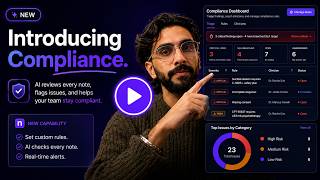
Product demos, reviews, and walkthroughs for Nudge AI.

View all on YouTube

Frequently Asked Questions

Nudge AI is designed to integrate seamlessly with most major EHR systems through APIs, providing real-time, context-aware suggestions directly within your existing workflow. It aims to minimize disruption by presenting information at the point of care, often within the existing order entry or charting screens.
Nudge AI's effectiveness is supported by studies demonstrating improvements in adherence to best practices, reduction in medical errors, and enhanced diagnostic accuracy. These studies often involve randomized controlled trials and real-world data analysis, with results published in peer-reviewed journals.
Like all AI, Nudge AI can be subject to biases present in its training data, potentially leading to disparities in recommendations. Developers address this through rigorous testing, continuous monitoring, and by incorporating diverse datasets and ethical AI frameworks to mitigate bias and ensure equitable care.
Nudge AI prioritizes patient data privacy and is built with robust security measures to ensure compliance with HIPAA, GDPR, and other relevant healthcare regulations. This includes data encryption, access controls, and anonymization techniques to protect sensitive patient information.
Pricing models for Nudge AI typically vary based on the size of the practice or hospital, the scope of integration, and the specific modules or features utilized. Common models include per-user subscriptions, tiered pricing based on patient volume, or enterprise-wide licensing agreements.
Alternatives to Nudge AI include traditional rule-based CDS systems, other AI-powered platforms, and even manual clinical guidelines. Nudge AI differentiates itself through its advanced machine learning algorithms, ability to learn from real-time data, and its focus on subtle, context-aware interventions that guide rather than dictate decisions.
Nudge AI is designed to be a supportive tool, not a replacement for clinical judgment. Physicians retain full autonomy and can override any recommendation. The system often includes mechanisms for providing feedback on why a recommendation was rejected, which helps in the continuous learning and refinement of the AI.

Related Tools

Stanford University
Stanford University
Clinical Decision Support & Reference
Stanford Online's "AI in Healthcare" program provides a comprehensive overview of artificial intelligence's applications and implications within the medical field.
RADIN Health
RADIN Health
Clinical Decision Support & Reference
RADINA is an AI-powered platform by RADIN Health designed to optimize radiology workflows, enhance diagnostic accuracy, and streamline reporting.
Med-PaLM 2
Google
Clinical Decision Support & Reference
Med-PaLM 2 is a large language model from Google, fine-tuned for healthcare to provide high-quality answers to medical questions and support clinical decision-making.
Pacmed Critical Discharge
Pacmed
Clinical Decision Support & Reference
Pacmed Critical Discharge is an AI tool that predicts the probability of death or readmission within seven days of ICU discharge, providing explainable insights for physicians.
AiZtech Labs
AiZtech Labs
Clinical Decision Support & Reference
AiZtech Labs provides enterprise-grade AI solutions for healthcare, focusing on operational efficiency, diagnostic accuracy, and patient care workflows for providers and health systems.
Stethophone Pro
Sparrow Acoustics
Cardiology AI
Stethophone Pro transforms smartphones into advanced cardiac screening tools, enabling clinicians to capture, interpret, and visualize heart sounds for early detection of cardiovascular diseases.

See all Clinical Decision Support & Reference tools →

Suggest an Edit → | Report an issue | Last Verified: 2026-09-03 | First Added: 2026-09-03
AI Tool Finder
AI-powered search. Results may not be comprehensive.