Strain AI vs Loss of Pulse Detection

AI Verdict
Choose Strain AI if…
Choose Strain AI if you are a clinician requiring precise, quantitative assessment of cardiac function through Global Longitudinal Strain (GLS) measurements from cardiac ultrasound images. This tool is ideal for aiding in the diagnosis and management of conditions like heart failure and cardiotoxicity in adult patients, providing real-time, on-device AI insights to support diagnostic evaluation.
View Strain AI →Choose Loss of Pulse Detection if…
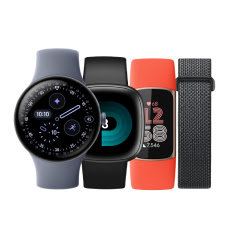
Choose Loss of Pulse Detection if you need a passive, continuous safety monitoring solution for individuals at risk of sudden critical events, such as a loss of pulse, outside of a clinical setting. This feature, integrated into compatible wearable devices, offers automated emergency service alerts and location sharing if the user becomes unresponsive, prioritizing immediate personal safety and rapid intervention.
View Loss of Pulse Detection →Reviewed by Pouyan Golshani, MD — Interventional Radiologist
Quick Comparison
| Feature | Strain AI | Loss of Pulse Detection |
|---|---|---|
| Deployment | API, Integrations with POS and menu sync platforms (Dutchie, Leafly, Weedmaps, Jane POS, Treez) | Unknown |
| BAA Available | Unknown | Yes AI-estimated |
| FDA Status | Yes AI-estimated | Cleared AI-estimated |
| HIPAA | Yes AI-estimated | Yes AI-estimated |
Head-to-Head
AI-generated assessment across six dimensions based on each tool's documented features and compliance posture. Grounded in public data — not a substitute for hands-on evaluation.
Usability
Strain AIStrain AI enhances usability for healthcare professionals by integrating with existing ultrasound devices and providing real-time, on-device AI insights for complex cardiac measurements without manual image interpretation. This significantly streamlines a specialized diagnostic workflow. Loss of Pulse Detection is also highly usable for consumers, but Strain AI addresses a more complex clinical task.
Clinical Value
TieBoth tools offer high clinical value, albeit in different contexts. Strain AI provides critical diagnostic information for assessing heart function and detecting conditions like heart failure, aiding in ongoing patient management. Loss of Pulse Detection offers a life-saving safety feature by automatically alerting emergency services in critical situations, providing immediate intervention.
Pricing & Value
Loss of Pulse DetectionLoss of Pulse Detection is included as a feature with compatible Fitbit/Pixel devices, offering clear and transparent value without additional cost to the user. Strain AI requires contacting the company for pricing, suggesting a potentially higher, enterprise-level cost that lacks immediate transparency.
Enterprise Readiness
Strain AIStrain AI is designed for integration into clinical environments, featuring FDA clearance, HIPAA compliance, BAA availability, and on-device AI operation without an internet connection, making it suitable for hospital and clinic deployments. While Loss of Pulse Detection is also compliant, its deployment on consumer wearables with an opt-in model makes it less aligned with traditional enterprise-wide healthcare system integration and management.
Innovation
Strain AIStrain AI demonstrates significant innovation by applying real-time, on-device AI to automatically analyze complex cardiac ultrasound images for Global Longitudinal Strain (GLS), eliminating the need for manual interpretation in a specialized diagnostic field. While Loss of Pulse Detection is an innovative safety feature for wearables, the application of AI in Strain AI to automate a nuanced clinical diagnostic measurement represents a more specialized and advanced technical innovation within healthcare AI.
Support & Docs
TieBoth Exo and Fitbit (Google) are established companies with comprehensive support infrastructures for their products and features. While specific documentation details are not provided in the structured facts, it is reasonable to assume both offer adequate support channels and documentation for their respective user bases.
Feature-by-Feature
Detail beyond the Quick Comparison summary. For pricing, deployment, BAA, FDA, and HIPAA see the Overview tab.
| Feature | Strain AI | Loss of Pulse Detection |
|---|---|---|
| Product Name | Strain AI | Loss of Pulse Detection |
| Company | Exo | Fitbit |
| Primary Function | Analyzes cardiac ultrasound images to measure Global Longitudinal Strain (GLS) for assessing heart function and detecting conditions like heart failure and cardiotoxicity in adult patients. | Detects a potential loss of pulse using PPG and accelerometry, and can automatically alert emergency services if the user is unresponsive. |
| Key Technology/Input | Cardiac ultrasound images | PPG and accelerometry sensors |
| Target Medical Specialties | Cardiology, Oncology, Radiology | Cardiology, Critical Care, Emergency Medicine |
| Categories | Cardiology AI, Radiology & Imaging AI | Cardiology AI, Triage & ER/ICU AI, Wearables & Remote Monitoring (RPM) |
Videos
Demos, reviews, and walkthroughs featuring Strain AI and Loss of Pulse Detection.