Aurora

by GE HealthCare  · Based in United States → — Where diagnostic confidence and efficiency intersect.
Cardiology Nuclear Medicine Radiology

N/a
Regulatory Status Disclosed

Overview

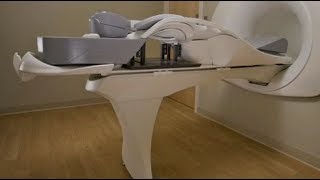
GE HealthCare’s Aurora is a new dual-head SPECT/CT imaging system with AI-powered capabilities, designed to optimize both SPECT and CT technologies. It captures gamma rays emitted by radioactive tracers, converting these findings into data to create images showing tracer distribution and enabling diagnoses across various care areas. The system aims to expand the range of procedures available for patients and helps clinicians solve operational and diagnostic challenges, fostering personalized approaches for improved patient outcomes. Aurora integrates advanced CT capabilities with nuclear medicine imaging functionality, providing comprehensive physiological and structural information for conditions requiring early detection and precise localization of abnormalities.

Reviewed by Pouyan Golshani, MD — Interventional Radiologist

Key Features

  • AI-powered Clarify DL deep learning image reconstruction for enhanced bone SPECT image quality and reduced noise.
  • Dual-head SPECT/CT system combining functional imaging from SPECT with anatomical details from CT.
  • Advanced CT capabilities with Revolution Ascend CT technology, featuring a 40mm detector and up to 128 slices through overlapped reconstruction.
  • Effortless Workflow solutions, including Auto Prescription and Smart Plan, for streamlined technologist operations.
  • ASiR-V for lower dose (up to 82% relative to FBP) and reduced noise levels (up to 91%).
  • SnapShot Freeze 2 for improvement in motion blur reduction, especially for cardiac imaging.
  • SwiftScan SPECT technology for up to 25% reduction in scan time or injected dose.
  • 75 cm wide CT bore to accommodate a wide range of patients and body types.

Use Cases

  • Detecting, diagnosing, and monitoring cardiovascular disorders, neurological conditions, and cancer.
  • Staging and restaging of tumors.
  • Planning, guiding, and monitoring therapy, including theragnostic procedures.
  • Evaluating organ function for diseases, trauma, abnormalities, and disorders.
  • Enhanced bone SPECT imaging diagnostics.
  • Comprehensive physiological and structural information for early detection and precise localization of abnormalities.

What Physicians Need to Know

Key Capabilities
Dual-head SPECT/CT system with AI-powered Clarify DL deep learning image reconstruction. Features Revolution Ascend CT technology with 40mm detector coverage (twice that of other hybrid systems) and up to 128 slices. Includes ASiR-V for dose reduction (up to 82%) and noise reduction (up to 91%), SnapShot Freeze 2 for motion blur reduction, and SwiftScan SPECT for up to 25% reduction in scan time or injected dose. The Evolution algorithm can reduce scan time or dose by up to 50%.
Clinical Utility
Designed to expand procedures for cardiac patients and support conditions like cancer and neurological disorders, enabling early detection and precise localization of abnormalities. Facilitates precision medicine and personalized care, including theranostics. Enhances diagnostic confidence through superior image quality without increasing radiation dose or scan time. Allows for comprehensive, high-quality diagnostic exams in a single session and accommodates patients with high BMI.
Integration Options
Designed for seamless integration into various clinical settings and existing workflows. Supports DICOM conformance. University Hospitals integrated Aurora with Clarify DL, Effortless Workflow, and MIM Software solutions. GE HealthCare utilizes Amazon Aurora as its database service for its Health Cloud, suggesting potential cloud-based integration capabilities.
Compliance Status
Received U.S. FDA 510(k) clearance in May 2025. It is CE marked and available for sale in EU countries as of December 2024. Designed and manufactured under the Quality System Regulations of 21CFR 820 and ISO 13485, conforming with IEC 60601-1 and applicable collateral and particular standards.
Pricing Model
Specific pricing for Aurora is not publicly disclosed; however, GE HealthCare generally offers customizable and flexible pricing plans for its solutions, varying based on an organization's size and specific requirements. Interested parties are advised to contact GE HealthCare for a custom quote.
User Experience
Features 'Effortless Workflow' solutions, including Auto Prescription and Smart Plan, enhanced by digital automation and design innovations to streamline technologists' workflow. A 75 cm-wide CT bore and other design innovations aim to ensure a smooth and comfortable experience for patients, including those with high BMI. Improved image quality from Clarify DL helps reinforce diagnostic confidence.
Support Quality
Implementation is a collaborative effort involving a GE Project Manager or Account Clinical Specialist, clinical applications specialist, field engineer, and HL7 HIS integration engineer. These teams support GoLive and provide on-site assistance. GE and hospital personnel form a project team to manage and track progress.
Implementation Complexity
Implementation is a team effort between the customer and GE HealthCare, involving planning, installation, configuration, testing, and activation. The complexity is influenced by the scope and specific products purchased, with defined tasks and responsibilities for both parties. Customers are responsible for providing necessary supplies, equipment, and furniture.
Evidence Base
Clinical evaluations demonstrated Clarify DL's image resolution was rated as better in 98% of 127 exams by 9 physicians. ASiR-V reduces CT patient dose by 50-82% and image noise by up to 91%. SwiftScan SPECT can reduce scan time or injected dose by up to 25% while maintaining lesion detectability. The Evolution algorithm can achieve up to a 50% reduction in scan time or injected dose.
Physician Tip

Aurora, with its AI-powered Clarify DL, offers significant advancements in SPECT/CT imaging. Leverage its enhanced image quality for increased diagnostic confidence in cardiac, oncology, and neurological cases, particularly for subtle abnormalities. The dose reduction capabilities (ASiR-V, SwiftScan, Evolution) are crucial for patient safety and managing cumulative radiation exposure. The 'Effortless Workflow' features can improve departmental efficiency, allowing more focus on patient care. Consider its utility for theranostics, given its support for a wide range of radiopharmaceuticals. The system's ability to accommodate high BMI patients also broadens its applicability.

Aurora is designed for seamless integration into existing clinical environments. Its DICOM conformance ensures compatibility with standard imaging archives and viewing systems. For broader enterprise integration, consider its potential connectivity with GE Health Cloud services, which leverage AWS infrastructure. Strategic collaborations, such as the one with University Hospitals, highlight the possibility of integrating Aurora with other GE HealthCare solutions like Effortless Workflow and MIM Software for a comprehensive imaging and workflow management ecosystem.

Details

Category Oncology AI, Radiology & Imaging AI
Pricing N/a — N/A
DeploymentOn-premise (physical medical device)
Compliance
BAA AvailableUnknown AI-estimated
HIPAA CompliantUnknown AI-estimated
FDA Status 1 AI-estimated

GE HealthCare secured FDA 510(k) clearance for its new AI-powered SPECT/CT scanner, the Aurora, along with its integrated deep learning software, Clarify DL, for improved imaging across clinical specialties including cardiology, oncology, and neurology.

Integrations
EHR Not specified
Specialties Cardiology, Nuclear Medicine, Radiology

What the Web Says

GE HealthCare's Aurora is a new dual-head SPECT/CT system with AI-powered capabilities designed to enhance diagnostic confidence and efficiency in cardiac, cancer, and neurological disorder detection. It aims to streamline workflows, expand available procedures, and provide excellent image quality. The system integrates with existing healthcare systems and offers features like deep learning image reconstruction and effortless workflow solutions.

Overall: Mixed

Strengths

  • Enhanced diagnostic confidence and image quality through AI-powered deep learning reconstruction (Clarify DL).
  • Streamlined workflows and operational efficiency.
  • Expanded range of procedures for various conditions, including cardiac, cancer, and neurological disorders.
  • Accommodates a wide range of patients and body types.
  • Seamless integration of SPECT and CT components for comprehensive exams in a single session.
  • User-friendly interface and intuitive design.

Limitations

  • Difficulty in acquiring one-on-one customer support.
  • System can be slow or experience connectivity issues.
  • Features may need to be paid for separately, increasing overall cost.
  • Management issues, including lack of accountability and poor planning, reported by some employees.
  • Some employees report a negative work environment with concerns about favoritism and lack of respect.
  • Potential for unachievable goals and objectives set by leadership.

Based on reviews from: GE Healthcare, Indeed.com, G2, Capterra, Reddit

Last updated: 2026-07-20

Ratings & Reviews

No reviews yet. Be the first to review this tool!

Rate Aurora

Clinical Value
Ease of Use
Integration
Support & Docs
Value for Money

Press & Coverage

GE HealthCare
GE HealthCare announces FDA 510(k) clearance for Aurora, a new dual-head SPECT/CT system, and Clarify DL, its AI-powered Deep Learning image reconstruction technology
GE HealthCare received FDA 510(k) clearance for its Aurora nuclear medicine system and Clarify DL, an AI-powered deep learning image reconstruction technology, designed to enhance diagnostic capabilities and streamline workflows. University Hospitals in Cleveland, Ohio is the first to install this technology in the US.
2025-05
Medical Design & Development
GE HealthCare Gets FDA Clearance for Aurora, its New Dual-Head SPECT/CT System
GE HealthCare's Aurora nuclear medicine system and Clarify DL received FDA 510(k) clearance, offering enhanced diagnostic capabilities and streamlined workflows with excellent image quality. The system features a 40 mm detector, twice the coverage of other hybrid systems, and 128-slice intelligent imaging capabilities.
2025-05
GE HealthCare
Where diagnostic confidence and efficiency intersect: GE HealthCare introduces Aurora, a new SPECT/CT with AI-powered capabilities at #EANM24
GE HealthCare unveiled Aurora, a new dual-head SPECT/CT with AI-powered technologies, at the European Association of Nuclear Medicine (EANM) 2024 Congress, designed to expand procedures for cardiac patients and support conditions like cancer and neurological disorders. This system, which is CE marked and available in EU countries, aims to improve diagnostic accuracy and efficiency through AI and advanced CT capabilities.
2024-10
Imaging Technology News
RSNA: GE HealthCare Unveils Aurora SPECT/CT: A New Era in Precision Imaging
GE HealthCare launched Aurora, a dual-head SPECT/CT system, at RSNA 2024, aiming to revolutionize diagnostic imaging and advance precision medicine. The system combines functional imaging from SPECT with anatomical details from CT, providing comprehensive views of diseases and featuring Clarify DL for improved bone SPECT image quality.
2024-12
AuntMinnie
GE HealthCare targets precision care, workflow improvements - AuntMinnie
At RSNA 2024, GE HealthCare introduced Aurora, a dual-head SPECT/CT device with Revolution Ascend CT technology, a 40 mm CT detector, and a 75 cm wide bore, along with AI technologies like Clarify DL to improve operational efficiencies and precision care. The system also incorporates features like ASiR-V for dose reduction and SnapShot Freeze 2 for motion blur reduction.
2024-12
medical-devices.tech
GE HealthCare showcases Aurora, a new dual head SPECT/CT, and Clarify DL at RSNA 2024 - medical-devices.tech
GE HealthCare unveiled Aurora, a new dual-head SPECT/CT system, and Clarify DL at RSNA 2024, designed to expand CT procedures in hybrid systems and support conditions like cancer and cardiac disorders. Aurora integrates GE HealthCare's Revolution Ascend CT technology, offering advanced CT capabilities beyond routine imaging with a 40mm CT detector and a 75 cm-wide CT bore.
2024-12
Axios Cleveland
Workers unionize at Aurora GE Healthcare facility - Axios Cleveland
Workers at GE HealthCare's facility in Aurora, Ohio, voted to join the International Association of Machinists and Aerospace Workers (IAM), marking the first new union at GE HealthCare in over 40 years.
2025-01
GE HealthCare
GE HealthCare drives innovation in theranostics with latest technological advances
At SNMMI25, GE HealthCare highlighted its theranostics-enabling solutions, including Aurora, an advanced dual-head SPECT/CT system designed for excellent diagnostic capabilities and streamlined workflows, optimized for theranostic procedures to pinpoint lesions and monitor therapy with precision.
2025-06

Videos

Product demos, reviews, and walkthroughs for Aurora.

View all on YouTube

Frequently Asked Questions

Aurora is designed with API compatibility to integrate seamlessly with most major EHR systems, allowing for data exchange and direct access within your existing interface. This minimizes disruption and streamlines the incorporation of AI insights into your diagnostic and treatment planning processes.
Aurora employs robust encryption protocols, de-identification techniques, and strict access controls to protect patient data. The platform undergoes regular third-party audits and adheres to industry-standard security frameworks to maintain compliance with relevant healthcare data privacy regulations.
Specific modules or functionalities within Aurora that are intended for diagnostic or treatment recommendations have obtained relevant regulatory clearances, such as FDA approval in the United States. It's crucial to verify the regulatory status for the specific use case you intend to deploy.
Aurora distinguishes itself through its specialized algorithms tailored for complex diagnostic pattern recognition and personalized treatment pathway generation, its intuitive user interface, and its commitment to explainable AI, providing transparency into its recommendations. It also offers comprehensive training and support.
Aurora typically offers a tiered subscription model based on the number of users, modules utilized, or patient volume, with options for both monthly and annual contracts. Custom enterprise solutions are also available for larger healthcare systems, often including dedicated support and integration services.
Like all AI, Aurora's performance is dependent on the quality and diversity of its training data, which can introduce biases if not carefully managed. We continuously monitor for algorithmic bias, provide transparency on data sources, and recommend physicians always use clinical judgment in conjunction with AI-generated insights.
Aurora is generally not recommended for situations requiring real-time, life-critical decision-making without direct human oversight, or for processing highly unstructured and ambiguous data without prior standardization. It's also not a substitute for direct patient interaction and comprehensive clinical evaluation.

Related Tools

Surgical Reality Viewer
Surgical Reality
Oncology AI
Surgical Reality offers CE- and FDA-certified AI-powered 3D medical imaging and surgical planning software that transforms CT scans into patient-specific 3D models for thoracic surgery, enhancing precision in complex lung procedures.
Cancer Copilot
Color Health
Oncology AI
Color Health's Cancer Copilot, built with OpenAI, helps oncologists and clinicians identify and order workup needs for recently diagnosed patients, aiming to speed up time to cancer treatment. This AI tool is designed to expand cancer expertise, speed decisions, and improve care, reducing a two-hour clinical task to 10 minutes with over 95% validated accuracy.
Cercare Medical Oncology Virtual Expert
Cercare Medical
Neurology AI
Cercare Medical's Oncology Virtual Expert is an AI-powered brain tumor segmentation module that provides fast, consistent, and semi-automated tumor analysis from standard MRI data, designed for on-premise deployment within existing clinical radiology workflows.
Synapse Lung Nodule AI
Fujifilm Corporation
Oncology AI
Fujifilm's Synapse Lung Nodule AI is an AI software algorithm for detecting pulmonary nodules on CT imaging, aiming to support early detection and treatment of lung cancer.
RadOncAI
Informai (for RadOncAI product) / Global Network for AI in Radiation Oncology (for RadoncAI.net)
Oncology AI
RadOncAI is an AI solution by Informai designed to optimize and enhance radiation oncology workflows, improving efficiency and accuracy in treatment planning and delivery.
FAITH project (Fatigue Therapy – AI-supported Diagnosis and Therapy of Tumour-associated Fatigue Syndrome)
Fimo Health GmbH (Consortium Leader)
Mental & Behavioral Health AI
The FAITH project is developing an AI-based solution for the diagnosis and therapy of tumor-associated fatigue syndrome in cancer patients. It uses wearable sensors, a smartphone app, and artificial intelligence to provide individualized therapy recommendations and monitor mental health.

See all Oncology AI tools →

More from GE HealthCare

AI Orchestrator
GE HealthCare
Practice Management & Scheduling
GE HealthCare's AI Orchestrator integrates and manages AI applications within a healthcare imaging ecosystem to streamline workflows and improve diagnostic accuracy.
Centricity Universal Viewer
GE Healthcare
Radiology & Imaging AI
GE Healthcare's Centricity Universal Viewer is a web-based PACS with AI-powered tools, advanced visualization, and multi-modality support to enhance diagnostic confidence and streamline clinical workflows for radiologists and specialists.
Command Center
GE HealthCare
Practice Analytics & BI
GE HealthCare's Command Center is an AI-powered platform that optimizes hospital operations and patient flow through real-time visibility and predictive analytics.
Deep Learning Image Reconstruction for Gemstone Spectral Imaging
GE HealthCare
Radiology & Imaging AI
GE HealthCare's Deep Learning Image Reconstruction for Gemstone Spectral Imaging (DLIR-GSI), branded as TrueFidelity™ for GSI, enhances CT image quality by using deep neural networks to reduce noise, improve spatial resolution, and boost diagnostic confidence across various clinical applications.

View company profile →

Suggest an Edit → | Last Verified: 2026-04-20 | First Added: 2026-04-20
AI Tool Finder
AI-powered search. Results may not be comprehensive.