CINA
Overview
CINA by AVICENNA.AI is a suite of artificial intelligence tools designed to assist radiologists in the interpretation of CT scans for various acute and incidental findings. The platform, AVI, integrates these AI solutions directly into existing clinical workflows, such as PACS and RIS, without requiring additional viewers or changes to the radiologist’s current systems.
- What it does: CINA solutions utilize deep learning to automatically detect and highlight life-threatening pathologies and provide quantitative measurements from CT images. This includes modules for neurovascular conditions like intracranial hemorrhage (CINA-ICH), large vessel occlusion (CINA-LVO), and acute ischemic stroke assessment (CINA-ASPECTS). It also offers tools for chest imaging, such as pulmonary embolism detection (CINA-PE, CINA-iPE) and aortic dissection (CINA-AD), as well as spine conditions like cervical spine fractures (CINA-CSpine) and vertebral compression fractures (CINA-VCF, CINA-VCF Quantix).
- Who it is for: CINA is primarily for radiologists and other clinicians in hospital networks and teleradiology groups, particularly those involved in emergency imaging and the detection of incidental findings.
- How it fits a clinical or practice workflow: The CINA tools are designed for seamless integration, automatically triggering analysis after image acquisition and reporting results within seconds through the systems radiologists already use. This aims to assist in workflow triage by flagging suspected positive findings and communicating them to the care team.
- Notable capabilities: Specific capabilities include the automatic detection and prioritization of conditions like intracranial hemorrhage and large vessel occlusion, as well as the quantification of stroke severity using the ASPECTS score (CINA-ASPECTS). CINA-iPE detects incidental pulmonary embolisms on routine CT scans performed for other conditions, aiming to prevent missed diagnoses. CINA-VCF and CINA-VCF Quantix identify and quantify unsuspected vertebral compression fractures.
Reviewed by Pouyan Golshani, MD — Interventional Radiologist
Key Features
- Automated detection and prioritization of life-threatening pathologies from CT images
- Seamless integration within clinical workflow (PACS/RIS)
- Rapid analysis and alerts (within seconds/minutes)
- Triage and prioritized worklist alerts
- Quantitative measurements (e.g., ASPECT score, VCF Quantix)
- Detection of Intracranial Hemorrhage (ICH)
- Detection of Large Vessel Occlusion (LVO)
- Detection of Pulmonary Embolism (PE and iPE)
- Detection of Aortic Dissection (AD)
- Detection of Vertebral Compression Fractures (VCF and VCF Quantix)
Use Cases
- Accelerating therapeutic decision-making in radiology
- Improving patient outcomes through early detection and timely intervention
- Enhancing radiology workflow and efficiency
- Triage of emergency cases in neurovascular and thoraco-abdominal pathologies
- Detecting incidental findings on CT scans
- Quantifying stroke severity (ASPECTS score)
What Physicians Need to Know
For radiologists utilizing CINA by Avicenna.AI, focus on integrating its prioritized alerts and secondary images directly into your PACS workflow for efficient triage of critical conditions. While the tool aids in identifying life-threatening findings, always exercise clinical judgment and correlate AI findings with the full patient context. Pay attention to the specific conditions CINA is cleared to detect and understand its performance characteristics to maximize its benefit in emergency and diagnostic settings. Be mindful of alert fatigue by understanding the prioritization logic and customizing settings if available to ensure critical alerts are not overlooked.
CINA by Avicenna.AI is specifically designed for seamless integration with Picture Archiving and Communication Systems (PACS), delivering results as secondary images directly within the radiologist's existing workflow. This integration is crucial for rapid assessment and timely intervention in radiology and emergency care settings. Further integration capabilities with broader Electronic Health Record (EHR) systems for comprehensive patient data correlation may exist but are not explicitly detailed.
Details
| Category | Neurology AI, Radiology & Imaging AI, Triage & ER/ICU AI |
| Pricing | Subscription-based — Contact vendor for pricing information; annual or multi-year agreements. |
| Deployment | Cloud (SaaS), On-premise, Hybrid |
| Compliance | |
| BAA Available | Unknown AI-estimated |
| HIPAA Compliant | Unknown AI-estimated |
| FDA Status |
1 AI-estimated Avicenna.AI has received multiple 510(k) clearances from the US FDA for its CINA suite of AI solutions. This includes clearances for CINA (Radiological Computer-Assisted Triage And Notification Software, K221716), and specific modules such as CINA-ICH, CINA-LVO, CINA-PE, CINA-AD, CINA-iPE, CINA-ASPECTS, CINA-VCF, and CINA-CSpine. |
| Integrations | |
| EHR | Not specified |
| Specialties | Critical Care, Emergency Medicine, Radiology |
What the Web Says
CINA, developed by Avicenna.AI, offers a suite of AI-powered tools designed to assist radiologists in detecting and triaging life-threatening pathologies from CT medical images, such as intracranial hemorrhage (ICH), large vessel occlusion (LVO), cervical spine fractures, and vertebral compression fractures. These tools integrate into existing clinical workflows, aiming to accelerate therapeutic decision-making and improve patient outcomes by providing rapid identification and prioritization of critical cases. The company has received multiple FDA clearances for its various CINA applications.
Overall: PositiveStrengths
- Rapid detection and prioritization of critical conditions like ICH and LVO, often within seconds.
- Seamless integration into existing clinical workflows and systems used by radiologists.
- Improved accuracy and consistency in diagnosing conditions, potentially reducing missed findings.
- FDA clearance for multiple applications, indicating regulatory approval and validation.
- Potential to reduce legal costs associated with missed diagnoses.
- Validated on diverse datasets from multiple sources, scanner models, and vendors.
Limitations
- CINA-ASPECTS is not intended for primary interpretation of CT images and is used to assist physician evaluation.
- CINA-ASPECTS has only been validated in patients over 21 years of age.
- CINA-ASPECTS has been validated and is intended to be used with images acquired with specific scanner manufacturers (Canon Medical Systems Corporation, GE Healthcare, Philips Healthcare and Siemens Healthineers).
- Excessive patient motion or significant streak artifacts and noisy images can impact performance.
- Limited publicly available detailed reviews or opinions from individual physicians, healthcare IT professionals, or on platforms like Reddit, G2, or Capterra.
Based on reviews from: Avicenna.AI - Blackford Analysis, PR Newswire, AuntMinnie, Health AI Register, Avicenna.AI Clinical Publications, accessdata.fda.gov, News-Medical.Net, ODT, PMC, Bioworld
Last updated: 2026-07-21
Ratings & Reviews
No reviews yet. Be the first to review this tool!
Rate CINA
Press & Coverage
Videos
Product demos, reviews, and walkthroughs for CINA.
Discover CINA-ER - AI powered solution for Emergency Radiology
Avicenna AI

Clinical benefits of CINA-ICH for detection of Intracranial hemorrhage
Avicenna AI

How does the Product department work at Avicenna.AI?
Avicenna AI
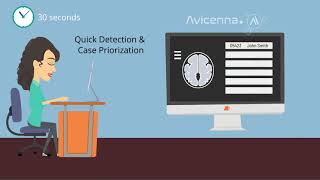
Avicenna.AI - Enhanced Workflow for an Optimized standard of care
Avicenna AI

Who was Avicenna(Ibn Sina)?u2013The Persian Genius of Medicine and Philosophy#history #ai #broughttolife
OpenHistory

09 - Avicenna na China - PT 2 #AviCast
Colu00e9gio Avicenna