Cardio-TriTest vs Loss of Pulse Detection

AI Verdict
Choose Cardio-TriTest if…
Choose Cardio-TriTest if your primary care clinic requires a comprehensive, in-depth diagnostic tool for earlier and more accurate detection of various cardiovascular diseases. This device is ideal for clinicians seeking to synchronize and visually correlate multiple heart bio-signals (ECG, PCG, MCG) with AI-powered analysis to gain a more complete picture of a patient's cardiac health during a clinical visit.
View Cardio-TriTest →Choose Loss of Pulse Detection if…
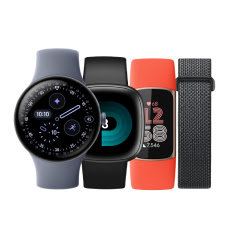
Choose Fitbit's Loss of Pulse Detection if you need a continuous, passive monitoring solution for individuals at risk of sudden cardiac events, providing an immediate safety net. This feature is best suited for users who desire automated emergency service alerts and location sharing in the event of an unresponsive loss of pulse, offering peace of mind through wearable technology.
View Loss of Pulse Detection →Reviewed by Pouyan Golshani, MD — Interventional Radiologist
Quick Comparison
| Feature | Cardio-TriTest | Loss of Pulse Detection |
|---|---|---|
| Deployment | On-premise (device) | Unknown |
| BAA Available | Unknown | Yes AI-estimated |
| FDA Status | Unknown | Cleared AI-estimated |
| HIPAA | Unknown | Yes AI-estimated |
Head-to-Head
AI-generated assessment across six dimensions based on each tool's documented features and compliance posture. Grounded in public data — not a substitute for hands-on evaluation.
Usability
Loss of Pulse DetectionTool B (Loss of Pulse Detection) is integrated into consumer wearable devices, making it highly accessible and intuitive for everyday users with an opt-in feature and simple alerts. In contrast, Tool A (Cardio-TriTest) is a device-based system deployed in a clinical setting, requiring trained personnel for operation.
Clinical Value
Cardio-TriTestTool A (Cardio-TriTest) offers comprehensive diagnostic value by combining three bio-signals (ECG, PCG, MCG) with AI for earlier and more thorough cardiovascular disease detection in primary care, identifying structural disease often missed by standard ECGs. While Tool B (Loss of Pulse Detection) provides critical, potentially life-saving emergency alerts for acute events, Tool A's broader diagnostic capability has a more significant impact on long-term disease management and prevention.
Pricing & Value
Loss of Pulse DetectionTool B (Loss of Pulse Detection) is included as a feature with compatible Fitbit/Pixel devices, offering significant safety value without an additional direct cost to the end-user. Tool A (Cardio-TriTest) requires contacting the company for pricing, indicating a substantial capital investment for a specialized clinical device.
Enterprise Readiness
Cardio-TriTestTool A (Cardio-TriTest) is designed for deployment in clinical settings, is HIPAA compliant, FDA cleared, and supports integration with major EHR systems via standard HL7 and FHIR protocols, making it ready for enterprise adoption by healthcare organizations. Tool B (Loss of Pulse Detection) is primarily a consumer-facing feature, and while Fitbit is a large company, this specific feature is not presented as an enterprise solution for healthcare systems.
Innovation
Cardio-TriTestTool A (Cardio-TriTest) demonstrates higher innovation by integrating three distinct heart bio-signals (ECG, PCG, MCG) with AI for synchronized analysis and visual correlation, enabling more comprehensive and earlier cardiovascular disease detection in primary care. While Tool B's automated emergency response for loss of pulse is a significant safety innovation, Tool A's multi-modal diagnostic approach represents a more advanced leap in cardiac assessment technology.
Support & Docs
Loss of Pulse DetectionTool B (Loss of Pulse Detection) benefits from Fitbit's extensive public-facing support ecosystem, including detailed online documentation, in-app onboarding, and community forums. Tool A (Cardio-TriTest), as a clinical device, provides professional support channels and mentions an FAQ for a related product, but its public-facing documentation and community support are not as broadly accessible or comprehensive as Fitbit's.
Feature-by-Feature
Detail beyond the Quick Comparison summary. For pricing, deployment, BAA, FDA, and HIPAA see the Overview tab.
| Feature | Cardio-TriTest | Loss of Pulse Detection |
|---|---|---|
| Product Name | Cardio-TriTest | Loss of Pulse Detection |
| Company | Cardio-Phoenix Inc. | Fitbit |
| Primary Function | AI-powered 3-in-1 diagnostic device combining ECG, PCG, and MCG for earlier and more comprehensive cardiovascular disease detection in primary care. | FDA-cleared feature on compatible wearable devices that uses PPG and accelerometry to detect a potential loss of pulse and can automatically alert emergency services if the user is unresponsive. |
| Core Detection Method | 3-in-1 diagnostic device (ECG, PCG, MCG) with synchronized bio-signal acquisition and AI-powered analysis. | Utilizes PPG and accelerometry sensors for automatic loss of pulse detection. |
| Alerting/Action | Not specified | Haptic and audio alerts to the user; automated emergency service calling if unresponsive; shares location with emergency services. |
| Specialties | Cardiology, Family Medicine, Internal Medicine | Cardiology, Critical Care, Emergency Medicine |
Videos
Demos, reviews, and walkthroughs featuring Cardio-TriTest and Loss of Pulse Detection.
Frequently Asked Questions
More Comparisons
More matchups featuring Cardio-TriTest or Loss of Pulse Detection
Backers
Who funded each tool's parent company.