AT-Patch (ATP-C130/ATP-C70) vs Loss of Pulse Detection

AI Verdict
Choose AT-Patch (ATP-C130/ATP-C70) if…
Choose AT-Patch if you require extended, high-fidelity continuous ECG monitoring for diagnostic purposes, such as identifying intermittent arrhythmias over a period of up to 14 days. Its integrated AI analysis and shower-proof design make it ideal for comprehensive cardiac assessment in a clinical setting, ensuring patient comfort and accurate data collection.
View AT-Patch (ATP-C130/ATP-C70) →Choose Loss of Pulse Detection if…
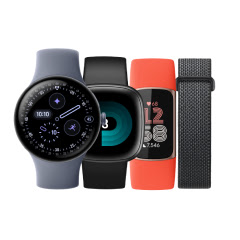
Choose Fitbit's Loss of Pulse Detection if the primary concern is immediate safety and emergency response for individuals at risk of sudden cardiac events. This feature is best suited for users who desire an automated system to detect a potential loss of pulse and alert emergency services if they become unresponsive, providing a critical layer of personal safety.
View Loss of Pulse Detection →Reviewed by Pouyan Golshani, MD — Interventional Radiologist
Quick Comparison
| Feature | AT-Patch (ATP-C130/ATP-C70) | Loss of Pulse Detection |
|---|---|---|
| Deployment | Wearable device for patients; analysis software deployed on-premise at medical institutions. | Unknown |
| FDA Status | 1 AI-estimated | Unknown |
Head-to-Head
AI-generated assessment across six dimensions based on each tool's documented features and compliance posture. Grounded in public data — not a substitute for hands-on evaluation.
Usability
Loss of Pulse DetectionTool B, as a feature integrated into compatible smartwatches, offers superior usability by leveraging a device many users already wear daily. This provides a seamless, 'always-on' experience without requiring the application or management of an additional dedicated device like Tool A's patch, despite Tool A's comfort-focused design.
Clinical Value
AT-Patch (ATP-C130/ATP-C70)Tool A provides direct diagnostic clinical value by offering up to 14 days of continuous, high-accuracy ECG monitoring with AI-powered arrhythmia detection, directly aiding clinicians in diagnosing and managing cardiac conditions. While Tool B offers significant safety value through emergency alerts, it is a reactive safety feature rather than a proactive diagnostic tool for ongoing clinical assessment.
Pricing & Value
Loss of Pulse DetectionTool B offers clear and transparent value as it is included as a feature with compatible Fitbit/Pixel devices, incurring no additional cost for the end-user beyond the device purchase. Tool A's pricing is not publicly available and involves direct sales to medical institutions, making its value proposition less transparent and harder to assess for individual users or smaller practices.
Enterprise Readiness
AT-Patch (ATP-C130/ATP-C70)Tool A is designed for deployment with analysis software on-premise at medical institutions, indicating a clear focus on integration into healthcare enterprise workflows for patient diagnosis and data management. While Tool B is HIPAA compliant and has a BAA, it primarily functions as a consumer-facing feature that interfaces with emergency services, rather than a core system for healthcare providers.
Innovation
Loss of Pulse DetectionTool B demonstrates significant innovation by leveraging existing consumer wearable technology (PPG and accelerometry) to provide an automated, potentially life-saving emergency response system for a critical event like loss of pulse. This proactive, automated emergency calling feature represents a novel application of AI in personal safety, whereas Tool A refines an existing diagnostic method with extended monitoring and AI analysis.
Support & Docs
Loss of Pulse DetectionTool B, being a feature of a major consumer brand like Fitbit, benefits from an established and extensive support infrastructure, including online documentation, user manuals, and customer service channels readily accessible to a broad user base. Tool A, targeting medical institutions, likely has dedicated institutional support, but public information regarding its breadth and accessibility for individual users or clinicians is not available.
Feature-by-Feature
Detail beyond the Quick Comparison summary. For pricing, deployment, BAA, FDA, and HIPAA see the Overview tab.
| Feature | AT-Patch (ATP-C130/ATP-C70) | Loss of Pulse Detection |
|---|---|---|
| Name | AT-Patch (ATP-C130/ATP-C70) | Loss of Pulse Detection |
| Company | ATsens Co. | Fitbit |
| Primary Function / Monitoring | Up to 14 days of continuous ECG monitoring (ATP-C130) | Automatic loss of pulse detection |
| Key Technology / Sensors | High-performance sensor chip for accurate ECG signal acquisition; Short-length electrode to minimize motion artifact noise | Utilizes PPG and accelerometry sensors |
| AI/ML for Detection/Analysis | AT-Report software with AI/machine learning algorithms for ECG analysis | Used for automatic loss of pulse detection |
| Patient Interaction / Alerts | AT-Note smartphone app for live ECG viewing and symptom recording | Haptic and audio alerts to the user; Automated emergency service calling if unresponsive; Shares location with emergency services |
Videos
Demos, reviews, and walkthroughs featuring AT-Patch (ATP-C130/ATP-C70) and Loss of Pulse Detection.
Frequently Asked Questions
More Comparisons
More matchups featuring AT-Patch (ATP-C130/ATP-C70) or Loss of Pulse Detection
- Loss of Pulse Detection vs Sleepiz One+
- AT-Patch (ATP-C130/ATP-C70) vs EchoNext
- AT-Patch (ATP-C130/ATP-C70) vs Sleepiz One+
- AT-Patch (ATP-C130/ATP-C70) vs V7 Diagnostic Ultrasound System
- Loss of Pulse Detection vs Study Watch with Irregular Pulse Monitor
- AT-Patch (ATP-C130/ATP-C70) vs Study Watch with Irregular Pulse Monitor
Backers
Who funded each tool's parent company.