Loss of Pulse Detection vs QFR

AI Verdict
Choose Loss of Pulse Detection if…
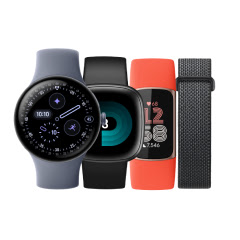
Choose Loss of Pulse Detection if you are an individual seeking an automated safety net for potential sudden cardiac events, especially if you live alone or have known cardiac risks. This feature is ideal for users who want a wearable device to proactively monitor for a loss of pulse and automatically alert emergency services if they become unresponsive, providing peace of mind and rapid intervention.
View Loss of Pulse Detection →Choose QFR if…
Choose QFR if you are a cardiologist in a cath lab environment requiring advanced AI-powered analysis of X-ray angiographic images for precise coronary lesion assessment. This tool is best suited for clinicians who need quantitative flow ratio (QFR) calculations and 3D vessel reconstruction to accurately determine the functional significance of coronary stenoses and guide treatment decisions.
View QFR →Reviewed by Pouyan Golshani, MD — Interventional Radiologist
Quick Comparison
| Feature | Loss of Pulse Detection | QFR |
|---|---|---|
| Pricing | Included with device | Contact for quote |
| Deployment | Wearable device (software on compatible smartwatches) | On-premise / Integrated with cath lab systems |
| FDA Status | 1 AI-estimated | 1 AI-estimated |
Head-to-Head
AI-generated assessment across six dimensions based on each tool's documented features and compliance posture. Grounded in public data — not a substitute for hands-on evaluation.
Usability
Loss of Pulse DetectionLoss of Pulse Detection is integrated into a consumer wearable device, designed for passive, automatic monitoring and intervention with minimal user interaction post-setup. Its intuitive design for a broad consumer base makes it highly accessible and easy to use, contrasting with the specialized training required for Tool B.
Clinical Value
TieTool A offers immediate, potentially life-saving intervention by automatically detecting a loss of pulse and alerting emergency services, addressing a critical, time-sensitive medical emergency for a wide population. Tool B provides crucial diagnostic support for cardiologists through quantitative flow ratio (QFR) analysis, aiding in precise lesion assessment and treatment decisions in interventional cardiology. Both deliver high and distinct clinical value in their respective domains.
Pricing & Value
Loss of Pulse DetectionLoss of Pulse Detection is included with compatible Fitbit/Pixel devices, offering transparent and integrated value without additional subscription costs. This provides clear, upfront value to the end-user. Tool B's pricing is opaque, requiring a quote, which is typical for enterprise medical software but lacks direct transparency for comparison.
Enterprise Readiness
QFRQFR is explicitly designed for on-premise deployment and integration with cath lab systems, making it a true enterprise solution for clinical environments and embedded within existing hospital workflows. While Tool A is FDA-cleared and HIPAA compliant, it is a consumer-facing feature on wearable devices, not built for traditional enterprise IT integration.
Innovation
Loss of Pulse DetectionTool A innovates by bringing automated, critical life-saving emergency response capabilities (loss of pulse detection and automatic emergency service calling) to a widely accessible consumer wearable device. This democratizes a high-impact safety feature, pushing the boundaries of personal health technology. Tool B's innovation lies in its advanced AI and deep learning for specialized cardiac imaging analysis.
Support & Docs
QFRAs a specialized medical device, QFR provides a comprehensive 'QFR 3.0 User Manual' and requires users to be certified by Medis, indicating robust, in-depth documentation and professional training essential for its complex clinical application. While Tool A has user-friendly guides and IFU documents, Tool B's structured training and detailed manuals are tailored for a professional clinical environment.
Feature-by-Feature
Detail beyond the Quick Comparison summary. For pricing, deployment, BAA, FDA, and HIPAA see the Overview tab.
| Feature | Loss of Pulse Detection | QFR |
|---|---|---|
| Name | Loss of Pulse Detection | QFR |
| Company | Fitbit | QFR Solutions bv |
| Primary Function | FDA-cleared feature using PPG and accelerometry to detect potential loss of pulse and alert emergency services if unresponsive. | FDA-cleared AI-powered medical software for visualization and quantitative flow ratio (QFR) analysis of X-ray angiographic images of coronary vessel segments. |
| Primary Specialties | Cardiology, Critical Care, Emergency Medicine | Cardiology |
| Core Technology/Method | PPG and accelerometry sensors for automatic loss of pulse detection | AI-powered analysis of X-ray angiographic images for Quantitative Flow Ratio (QFR) assessment |
| Key Feature Example | Automated emergency service calling if unresponsive | 3D reconstruction of coronary vessel models |
Videos
Demos, reviews, and walkthroughs featuring Loss of Pulse Detection and QFR.
Frequently Asked Questions
More Comparisons
More matchups featuring Loss of Pulse Detection or QFR
Backers
Who funded each tool's parent company.