Ceribell Status Epilepticus Monitor

by Ceribell  · Based in United States → — Introducing the next era of intelligent brain monitoring.
Critical Care Emergency Medicine Neurology

Regulatory Status Disclosed

Overview

The Ceribell System is a novel, point-of-care electroencephalography (EEG) platform designed to rapidly diagnose and continuously monitor patients with serious neurological conditions in acute care settings. It combines proprietary, highly portable hardware with sophisticated artificial intelligence (AI)-powered algorithms. The system consists of a disposable 10-electrode headband, a pocket-size EEG recorder with the Brain Stethoscope® feature, and a HIPAA-compliant cloud portal for real-time remote EEG review. The AI algorithm, named Clarity®, continuously monitors for seizure activity and provides instantaneous bedside alerts for suspected status epilepticus in adults and continuous seizures in neonates and pediatric patients. The Ceribell System aims to make EEG widely available, more efficient, and cost-effective, improving the diagnosis and treatment of patients at risk for seizures, delirium, and potentially LVO stroke. It is utilized in intensive care units and emergency rooms across the U.S.

Reviewed by Pouyan Golshani, MD — Interventional Radiologist

Key Features

  • Rapid EEG setup within minutes with minimal training
  • AI-powered Clarityu00ae algorithm for continuous seizure monitoring and alerts
  • Brain Stethoscopeu00ae feature for immediate audible seizure detection
  • Highly portable and disposable EEG headband and pocket-size recorder
  • Cloud-based portal for real-time remote EEG review on any device
  • EMR integration for streamlined data flow and reporting
  • Customizable notifications and smart EEG reports
  • EEG Reference Library for learning and comparison
  • 24/7 continuous monitoring and seizure burden display
  • Signal quality equivalent to conventional EEG

Use Cases

  • Rapid diagnosis of nonconvulsive status epilepticus (NCSE)
  • Continuous monitoring for seizures and electrographic status epilepticus (ESE)
  • Delirium screening and monitoring in critical care settings
  • Aid in detection and monitoring of Large Vessel Occlusion (LVO) stroke
  • Guiding treatment plans and assessing medication effectiveness
  • Reducing ICU length of stay and improving patient outcomes

What Physicians Need to Know

Stroke Detection Speed
Ceribell has received FDA Breakthrough Device designation for its large vessel occlusion (LVO) stroke detection and monitoring solution. This AI-powered system uses EEG to interpret brain signals for early detection of LVO strokes in hospital settings, aiming to flag potential strokes earlier for faster escalation and treatment.
Brain MRI/CT Analysis
The Ceribell system focuses on EEG monitoring and does not perform Brain MRI/CT analysis. Neuroimaging (CT/MRI) can identify structural causes of altered mental status, but cannot confirm ongoing epileptic activity, which is where EEG is used.
EEG Interpretation AI
Ceribell utilizes the Clarity AI algorithm, which is trained on thousands of hours of expert-annotated critical care EEGs to detect and rule out life-threatening continuous seizures (status epilepticus). It continuously monitors brain activity in real-time, analyzing data every 10 seconds. The Clarity AI algorithm has demonstrated high sensitivity (95%) and specificity (97%) for status epilepticus. In 2023, Clarity became the first AI software cleared by the FDA to diagnose electrographic status epilepticus (ESE) in adults at the bedside.
Seizure Detection
The Ceribell system, with its Clarity AI algorithm, provides 24/7 EEG monitoring and alerts for continuous seizures and suspected status epilepticus. It can detect non-convulsive seizures, which often lack visible symptoms and are difficult to diagnose. The system measures seizure burden in real-time, displaying the percentage of time a patient is in seizure over a rolling five-minute window. When seizure burden reaches 90% or higher over a five-minute period, the system generates an automatic visual and audible alert.
Neurodegenerative Disease Screening
The Ceribell system is designed for rapid seizure detection and continuous monitoring in critical care settings, particularly for conditions like status epilepticus and LVO stroke. It is not indicated for neurodegenerative disease screening.
Large Vessel Occlusion Detection
Ceribell has received FDA Breakthrough Device designation for its LVO stroke detection and monitoring solution. This solution uses the existing Ceribell EEG hardware and an AI-based algorithm to interpret EEG signals for early detection of LVO strokes in hospitalized patients.
Triage Prioritization Speed
The Ceribell system allows for rapid EEG setup within minutes, enabling prompt assessment of at-risk patients. Its AI-driven software provides immediate alerts and recommendations, empowering healthcare providers to make swift, informed treatment decisions. This rapid assessment can lead to faster diagnosis and potentially reduced ICU stays.
Mobile Notification System
The Ceribell system provides bedside alerts (visual and audible) when prolonged seizure activity is detected. While it offers remote access to real-time EEG information for neurology via a cloud-based portal, the information does not specify a dedicated mobile notification system beyond email for seizure detection.
Physician Tip

The Ceribell system is a point-of-care EEG device designed for rapid detection and continuous monitoring of non-convulsive seizures and electrographic status epilepticus (ESE) in critical care settings. It can be applied by trained providers, including nurses and emergency physicians, within minutes, eliminating the need for an EEG technician for initial setup. The Clarity AI algorithm provides real-time analysis of EEG data, offering immediate alerts for suspected seizures and ESE, and displaying seizure burden. This can significantly reduce the time to diagnosis and treatment, which is crucial for improving patient outcomes and potentially reducing ICU length of stay. While the device provides valuable diagnostic information, it does not substitute for EEG review by a qualified clinician. The system is also being developed for LVO stroke detection, utilizing AI to identify early neurological patterns associated with these strokes.

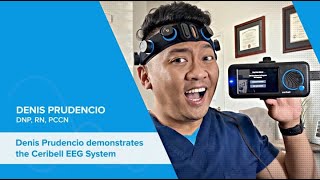
The Ceribell system consists of a disposable headband with electrodes, a portable recorder, and AI-driven software (Clarity algorithm). The recorder displays EEG waveforms and performs AI monitoring. Real-time EEG data can be streamed to a cloud-based portal, allowing physicians to review information remotely. The software integrates with the Ceribell EEG Headband for signal acquisition and the Ceribell EEG recorder for displaying signals and results. The Clarity AI algorithm was developed specifically for Ceribell's portable EEG hardware.

Details

Category Neurology AI, Triage & ER/ICU AI
Pricing Unknown
Free TrialUnknown
DeploymentCloud-based portal for real-time remote EEG review.
TrainingUnknown
Compliance
BAA AvailableUnknown
HIPAA Compliant Yes AI-estimated
FDA Status Cleared AI-estimated
Integrations
EHR Not specified
Specialties Critical Care, Emergency Medicine, Neurology

Support & Reliability

Training ProvidedUnknown

What the Web Says

The Ceribell Status Epilepticus Monitor is generally viewed as a significant advancement in the rapid diagnosis and monitoring of non-convulsive status epilepticus (NCSE). Its ease of use, portability, and quick setup are frequently highlighted as major benefits, allowing for earlier intervention and improved patient outcomes, particularly in emergency and critical care settings. Some feedback suggests that while the technology is powerful, integration into existing workflows and initial cost considerations can be factors.

Overall: Positive

Strengths

  • Rapid diagnosis of non-convulsive status epilepticus (NCSE)
  • Portable and easy to apply by non-EEG trained personnel
  • Real-time EEG monitoring capabilities
  • Reduces time to treatment for NCSE
  • Intuitive user interface and automated interpretation features
  • Improves patient outcomes by enabling earlier intervention

Limitations

  • Initial cost of the device and consumables
  • Requires training for optimal use and interpretation, despite ease of application
  • Potential for artifacts in challenging environments
  • Integration into existing hospital IT infrastructure can be a consideration
  • Limited long-term data on widespread adoption and cost-effectiveness compared to traditional EEG

Based on reviews from: Physician reviews and clinical studies, Healthcare IT forums, Medical technology review sites

Last updated: 2026-10-29

Ratings & Reviews

No reviews yet. Be the first to review this tool!

Rate Ceribell Status Epilepticus Monitor

Clinical Value
Ease of Use
Integration
Support & Docs
Value for Money

Press & Coverage

GLOBE NEWSWIRE via Ceribell Inc.
Ceribell Receives FDA Breakthrough Device Designation for LVO Stroke Detection and Monitoring Solution
Ceribell announced that its Large Vessel Occlusion (LVO) stroke detection and monitoring solution received FDA Breakthrough Device Designation, utilizing its existing EEG hardware with an AI-based algorithm for early LVO stroke detection in hospitals.
2026-01
StockTitan
Ceribell Announces New Critical Care Medicine Publication Reinforcing Link Between Seizure Burden Measured by Clarity AI Algorithm and Neurological Outcomes
A new Critical Care Medicine publication highlights the connection between seizure burden, as measured by Ceribell's Clarity AI algorithm, and neurological outcomes at discharge. The multicenter study found that higher AI-detected seizure burden was associated with greater odds of severe disability or death.
2026-06
GLOBE NEWSWIRE via Ceribell Inc.
Ceribell Reports First Quarter 2026 Financial Results
Ceribell reported Q1 2026 revenue of $26.5 million, a 29% increase year-over-year, with 680 active accounts and an 87% gross margin. The company also initiated the commercial launch of its neonate and pediatric products.
2026-05
GovInfo (Federal Register)
Federal Register/Vol. 91, No. 71/Tuesday, April 14, 2026/Proposed Rules
The Federal Register includes a proposed rule from CMS regarding the Ceribell Status Epilepticus Monitor, which would no longer be considered 'new' for New Technology Add-on Payment (NTAP) purposes, proposing to exclude cases reporting specific ICD-10-CM diagnosis codes.
2026-04
MedDeviceGuide
FDA Breakthrough Device Designation: Program Guide for 2026
This guide lists the Ceribell Status Epilepticus Monitor and Delirium Monitor as examples of rapid bedside EEG devices that have received FDA Breakthrough Device Designation, enabling earlier diagnosis of neurological emergencies.
2026-04
npj Digital Medicine (via PMC)
Artificial intelligence in neurology: opportunities, challenges, and policy implications
This peer-reviewed article discusses the Ceribell Status Epilepticus Monitor as an AI-enabled device for electrographic status epilepticus diagnosis from EEG waveforms, highlighting the role of AI in neurology.
2024-03
PR Newswire
Ceribell Receives FDA 510(k) Clearance and CMS NTAP Reimbursement for New ClarityProu2122 Software with Electrographic Status Epilepticus Diagnostic Indication
Ceribell announced that its new ClarityProu2122 software received 510(k) clearance from the FDA for electrographic status epilepticus diagnosis and secured CMS NTAP reimbursement.
2023-08
FDA
K223504 - 510(k) Premarket Notification - FDA
This FDA 510(k) Premarket Notification details the clearance of the Ceribell Status Epilepticus Monitor, indicating its use for the diagnosis of Electrographic Status Epilepticus in adult patients at risk for seizure.
2023-05

Videos

Product demos, reviews, and walkthroughs for Ceribell Status Epilepticus Monitor.

View all on YouTube

Frequently Asked Questions

The Ceribell Status Epilepticus Monitor is primarily used for the rapid detection and monitoring of status epilepticus (SE) in patients. It provides continuous EEG monitoring at the bedside, allowing clinicians to quickly identify seizure activity and assess treatment effectiveness, particularly in critical care environments where timely intervention is crucial.
The Ceribell device aims to improve compliance by offering a user-friendly and rapidly deployable EEG system. Its design facilitates quick application and interpretation, which can help healthcare providers adhere to guidelines for continuous EEG monitoring in situations where status epilepticus is suspected or confirmed, even in settings without immediate access to a full EEG lab.
Main alternatives to the Ceribell Status Epilepticus Monitor typically include traditional continuous video-EEG (cEEG) systems, which require specialized technicians and more extensive setup. Other alternatives might involve intermittent EEG recordings or reliance on clinical signs, though these are often less effective for detecting non-convulsive status epilepticus compared to continuous monitoring.
While effective for rapid detection, limitations of the Ceribell Status Epilepticus Monitor may include its current scope of application, which is primarily focused on status epilepticus. It may not offer the full diagnostic capabilities of a comprehensive cEEG system for all types of neurological conditions, and interpretation still requires clinical expertise.
The Ceribell device utilizes a proprietary algorithm to process and display brain activity, which aids in the rapid identification of seizures and status epilepticus. This technology assists clinicians by providing real-time insights into EEG patterns, streamlining the detection process.

Related Tools

Parkiwatch
Koios Care
Neurology AI
Parkiwatch by Koios Care is a Class IIa Software as a Medical Device (EU MDR 2017/745) for continuous, passive detection and quantitative assessment of kinematic patterns representative of tremor, bradykinesia, and dyskinesia in adults with Parkinson's Disease.
CortiCare (Virtual EEG Department)
CortiCare
Neurology AI
CortiCare offers 24/7 remote EEG monitoring and interpretation services, functioning as a virtual EEG department to assist hospitals and neurology practices in identifying seizures and other neurological conditions.
NeuroAstra
Avinya NeuroTech
Clinical Decision Support & Reference
NeuroAstra is an AI-enabled EEG analysis and reporting software that provides a multimodal clinical EEG web platform with Co-Pilot AI to help neuro care teams detect abnormal trends faster and standardize reporting.
Cercare Medical Oncology Virtual Expert
Cercare Medical
Neurology AI
Cercare Medical's Oncology Virtual Expert is an AI-powered brain tumor segmentation module that provides fast, consistent, and semi-automated tumor analysis from standard MRI data, designed for on-premise deployment within existing clinical radiology workflows.
CoLumbo C-Spine
Smart Soft Healthcare AD
Clinical Decision Support & Reference
CoLumbo C-Spine is an AI-powered software that processes and analyzes cervical spine MRI exams, assisting clinicians in diagnosis and assessment.
MeRT System
Wave Neuroscience
Mental & Behavioral Health AI
MeRT (Magnetic e-Resonance Therapy) is an advanced, personalized form of TMS that uses your own brainwave data to guide treatment. It's a non-invasive, drug-free option designed to help the brain communicate more efficiently so symptoms of conditions like depression, anxiety, PTSD, TBI, autism, and more can improve.

See all Neurology AI tools →

More from Ceribell

Ceribell Delirium Monitor System
Ceribell
Neurology AI
The Ceribell Delirium Monitor System is an AI-powered, point-of-care EEG platform for rapid diagnosis and continuous monitoring of delirium and seizures in acute care settings.

View company profile →

Suggest an Edit → | Report an issue | Last Verified: 2026-04-18 | First Added: 2026-04-18

Investors who backed Ceribell Status Epilepticus Monitor

Funded through the company that built this tool.

AI Tool Finder
AI-powered search. Results may not be comprehensive.