Loss of Pulse Detection vs Sleepiz One+
AI Verdict
Choose Loss of Pulse Detection if…
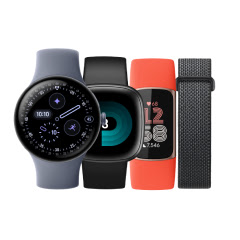
Choose Fitbit's Loss of Pulse Detection if you require immediate, automatic emergency alerts for individuals at risk of sudden cardiac events, especially when they are mobile and may be unsupervised. This tool is ideal for active users who need a safety net that can detect a potential loss of pulse and autonomously contact emergency services if they become unresponsive, providing critical rapid response capabilities.
View Loss of Pulse Detection →Choose Sleepiz One+ if…
Choose Sleepiz One+ if you need continuous, contactless remote patient monitoring of vital signs for individuals with chronic conditions, particularly in a home or senior care setting. This device is best suited for passive, long-term data collection of respiration and heart rate, offering insights into sleep patterns and overall health trends without requiring the patient to wear a device.
View Sleepiz One+ →Reviewed by Pouyan Golshani, MD — Interventional Radiologist
Quick Comparison
| Feature | Loss of Pulse Detection | Sleepiz One+ |
|---|---|---|
| Pricing | Included with device | Contact for pricing |
| Deployment | Wearable device (software on compatible smartwatches) | Wall-mounted or bedside table placement, Wi-Fi connectivity |
| FDA Status | 1 AI-estimated | 1 AI-estimated |
Head-to-Head
AI-generated assessment across six dimensions based on each tool's documented features and compliance posture. Grounded in public data — not a substitute for hands-on evaluation.
Usability
Loss of Pulse DetectionFitbit's Loss of Pulse Detection is integrated into compatible smartwatches, making it a seamless and always-on feature for users who already wear such devices. It operates passively in the background and only alerts the user when a potential loss of pulse is detected, followed by automated emergency calling if unresponsive. Sleepiz One+, while designed for ease of use with a quick setup, requires placement on a bedside table or wall and has specific distance requirements from the body, which might be less convenient for some users compared to a wearable.
Clinical Value
Sleepiz One+Sleepiz One+ provides continuous, contactless monitoring of respiration rate and heart rate, offering comprehensive data for managing chronic conditions and detecting early signs of deterioration. It has been clinically validated against polysomnography for sleep apnea diagnosis and respiratory rate accuracy, demonstrating strong agreement with gold standards. While Fitbit's Loss of Pulse Detection is FDA-cleared and can be life-saving in acute events, its clinical utility is focused on a single, critical event rather than ongoing disease management and detailed physiological insights.
Pricing & Value
Loss of Pulse DetectionLoss of Pulse Detection is a feature included with compatible Fitbit/Pixel devices, meaning there is no additional subscription cost beyond the device itself. Sleepiz One+ requires contacting them for pricing, and while it can be reimbursed using CPT codes for remote patient monitoring, the initial cost of the device and potential ongoing service fees are not transparently provided.
Enterprise Readiness
Sleepiz One+Sleepiz One+ is designed for remote patient monitoring and clinical trial platforms, with features like a web application for data access and analysis by healthcare professionals, and easy deployment in senior care environments. It also supports CPT billing for RPM, indicating its suitability for integration into healthcare workflows. Fitbit's Loss of Pulse Detection is primarily a consumer-facing safety feature, with less emphasis on enterprise-level data access, analysis, or integration into clinical systems beyond emergency services.
Innovation
Sleepiz One+Sleepiz One+ utilizes novel radar technology for contactless monitoring of vital signs, including respiration and heart rate, through bedding and clothing. This approach offers a significant innovation in patient comfort and data collection compared to traditional contact-based methods. While Fitbit's automatic loss of pulse detection with emergency calling is an important safety innovation, the underlying PPG and accelerometry sensor technology is more established in wearables.
Support & Docs
TieBoth tools provide essential documentation. Fitbit offers user manuals and support through Google Health Help Center for its Loss of Pulse Detection feature. Sleepiz provides quick start guides, instruction manuals, and FAQs on its website, along with direct contact for support. Without more detailed information on the breadth, responsiveness, and accessibility of their respective support channels, it's difficult to definitively pick a winner.
Feature-by-Feature
Detail beyond the Quick Comparison summary. For pricing, deployment, BAA, FDA, and HIPAA see the Overview tab.
| Feature | Loss of Pulse Detection | Sleepiz One+ |
|---|---|---|
| Name | Loss of Pulse Detection | Sleepiz One+ |
| Company | Fitbit | Sleepiz |
| Tagline | Advanced Wearable Technology for Health and Safety | Contactless Monitoring for Senior Care |
| Key Monitoring Capabilities | Automatic loss of pulse detection, Utilizes PPG and accelerometry sensors | Measures respiration rate, Measures heart rate, Sleep apnea screening |
Videos
Demos, reviews, and walkthroughs featuring Loss of Pulse Detection and Sleepiz One+.
Frequently Asked Questions
More Comparisons
More matchups featuring Loss of Pulse Detection or Sleepiz One+
Backers
Who funded each tool's parent company.