Assert-IQ vs Loss of Pulse Detection

AI Verdict
Choose Assert-IQ if…
Choose Assert-IQ if your cardiology clinic or health system requires a comprehensive, long-term solution for diagnosing and managing patients with suspected chronic or intermittent heart rhythm disorders. This system is ideal for continuous, in-depth cardiac monitoring over several years, providing clinicians with detailed arrhythmia detection and remote data for precise diagnostic and treatment planning.
View Assert-IQ →Choose Loss of Pulse Detection if…
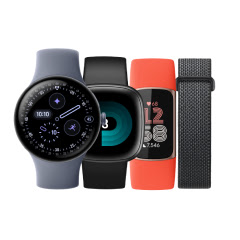
Choose Fitbit's Loss of Pulse Detection if you are an individual seeking an immediate, personal safety net for sudden, critical cardiac events. This feature is best suited for users of compatible smartwatches who desire automatic detection of a potential loss of pulse and the ability to automatically alert emergency services with location information if unresponsive.
View Loss of Pulse Detection →Reviewed by Pouyan Golshani, MD — Interventional Radiologist
Quick Comparison
| Feature | Assert-IQ | Loss of Pulse Detection |
|---|---|---|
| Pricing | Enterprise | Unknown |
| Deployment | Hybrid | Unknown |
| FDA Status | Cleared AI-estimated | Unknown |
| HIPAA | Yes AI-estimated | Unknown |
Head-to-Head
AI-generated assessment across six dimensions based on each tool's documented features and compliance posture. Grounded in public data — not a substitute for hands-on evaluation.
Usability
Loss of Pulse DetectionTool B, integrated into a consumer wearable, offers a more immediate and intuitive user experience for the general public, requiring no medical procedure for activation. Its core function is automatic, leveraging familiar device interactions for ease of use.
Clinical Value
Assert-IQTool A provides long-term, continuous, and detailed cardiac monitoring for comprehensive arrhythmia diagnosis and management, offering deep insights for cardiologists over extended periods. This offers a broader and more sustained clinical value for ongoing patient care and physician decision-making.
Pricing & Value
Loss of Pulse DetectionTool B is included as a feature with compatible Fitbit/Pixel devices, meaning its cost is bundled with a consumer-grade wearable, offering high value for individual users. Tool A, with its enterprise pricing requiring direct contact, implies a significant institutional investment.
Enterprise Readiness
Assert-IQTool A is explicitly designed for enterprise deployment, targeting large health systems and cardiology clinics with a hybrid deployment model and data export capabilities. It is backed by a major medical device company with established enterprise sales and support.
Innovation
TieBoth tools demonstrate significant innovation in their respective domains. Tool A pushes the boundaries of long-term implantable cardiac monitoring with extended battery life and advanced algorithms. Tool B innovatively applies consumer technology for immediate, life-saving emergency intervention.
Support & Docs
Assert-IQTool A, backed by Abbott Medical, a long-established medical device company, is expected to have comprehensive clinical support, technical documentation, and training programs tailored for healthcare professionals and institutions. Tool B, from Fitbit/Google, would offer robust consumer-grade support, but likely less specialized for complex medical workflows.
Feature-by-Feature
Detail beyond the Quick Comparison summary. For pricing, deployment, BAA, FDA, and HIPAA see the Overview tab.
| Feature | Assert-IQ | Loss of Pulse Detection |
|---|---|---|
| Product Name | Assert-IQ | Loss of Pulse Detection |
| Company | Abbott Medical | Fitbit |
| Primary Function | Provides long-term, continuous monitoring and advanced arrhythmia detection to aid physicians in diagnosing and managing patients with suspected heart rhythm disorders. | Uses PPG and accelerometry to detect a potential loss of pulse and can automatically alert emergency services if the user is unresponsive. |
| Key Feature: Monitoring Mechanism | Long-term continuous cardiac monitoring (up to 6 years) with advanced arrhythmia detection algorithms. | Automatic loss of pulse detection utilizing PPG and accelerometry sensors. |
| Key Feature: Alerting/Action | Proactive clinician alerts and patient activator for symptom logging. | Automated emergency service calling if unresponsive and shares location with emergency services. |
| Target User/Integration | Large health systems, hospitals, cardiology clinics | Integrated with compatible smartwatches (e.g., Pixel Watch 3) |
Videos
Demos, reviews, and walkthroughs featuring Assert-IQ and Loss of Pulse Detection.
Frequently Asked Questions
More Comparisons
More matchups featuring Assert-IQ or Loss of Pulse Detection
Backers
Who funded each tool's parent company.