Loss of Pulse Detection vs Reveal LINQ
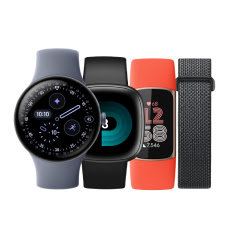

AI Verdict
Choose Loss of Pulse Detection if…
Choose Loss of Pulse Detection if you require an immediate, automated safety feature for acute, life-threatening cardiac events. This tool is ideal for individuals who want a wearable device to detect a potential loss of pulse and automatically alert emergency services if they become unresponsive, providing a critical layer of real-time intervention.
View Loss of Pulse Detection →Choose Reveal LINQ if…
Choose Reveal LINQ if you need long-term, continuous cardiac monitoring for diagnostic purposes, especially for intermittent arrhythmias, unexplained syncope, or cryptogenic stroke. This implantable device is best suited for patients requiring an extended ECG record (up to three years) to capture elusive cardiac events and support clinicians in accurate diagnosis and treatment planning.
View Reveal LINQ →Reviewed by Pouyan Golshani, MD — Interventional Radiologist
Quick Comparison
| Feature | Loss of Pulse Detection | Reveal LINQ |
|---|---|---|
| Deployment | Unknown | The Reveal LINQ ICM is an implantable device placed just beneath the skin in the upper left side of the chest through a small incision. The system includes a MyCareLink™ Monitor, a bedside unit that collects data from the ICM and sends it to the doctor. The Reveal LINQ Mobile Manager app, used by healthcare professionals, is downloaded to an iPad or Android tablet and paired via Bluetooth to a Medtronic patient connector, which communicates with the ICMs. |
| BAA Available | Yes AI-estimated | Unknown |
| FDA Status | Cleared AI-estimated | Cleared AI-estimated |
| HIPAA | Yes AI-estimated | Unknown |
Head-to-Head
AI-generated assessment across six dimensions based on each tool's documented features and compliance posture. Grounded in public data — not a substitute for hands-on evaluation.
Usability
Loss of Pulse DetectionTool A, Fitbit's Loss of Pulse Detection, is integrated into a consumer wearable device, making it highly accessible and easy for the general user to enable and use as an opt-in feature. Tool B, Medtronic Reveal LINQ, requires a minimally invasive surgical procedure for implantation, which inherently makes it less 'usable' from a broad consumer perspective, despite its passive monitoring once implanted.
Clinical Value
Reveal LINQTool B, Reveal LINQ, offers superior long-term diagnostic clinical value by continuously recording ECG for up to three years and utilizing AI to accurately detect and diagnose various cardiac arrhythmias, including atrial fibrillation, cryptogenic stroke, and unexplained syncope. Tool A focuses on acute, life-threatening 'loss of pulse' events and emergency response, which is crucial for immediate safety but does not provide the same depth of diagnostic information for ongoing cardiac condition management.
Pricing & Value
Loss of Pulse DetectionTool A's Loss of Pulse Detection is a feature included with compatible Fitbit/Pixel devices, offering significant value as it's bundled with a consumer product. Tool B, Reveal LINQ, is a specialized medical device with non-publicly disclosed pricing, typically negotiated with healthcare providers and covered by insurance, making its direct cost to an individual without medical necessity and insurance coverage substantially higher.
Enterprise Readiness
Reveal LINQTool B, Medtronic Reveal LINQ, is explicitly designed for integration into clinical workflows, featuring an implantable device, a bedside patient monitor for data transmission, and a mobile app for clinicians to manage the device and access data via the CareLinku2122 network. While Tool A is HIPAA compliant and FDA cleared, its primary deployment is as a consumer-facing feature on a wearable, making its enterprise readiness more about how healthcare providers might receive alerts rather than direct deployment within their systems.
Innovation
TieBoth tools demonstrate significant innovation in their respective fields. Tool A innovates by bringing an FDA-cleared, life-saving 'loss of pulse' detection and emergency alert system to a widely accessible consumer wearable. Tool B pushes the boundaries of implantable medical technology with its miniaturization, three-year continuous ECG monitoring, and advanced AccuRhythmu2122 AI algorithms for highly accurate arrhythmia detection.
Support & Docs
Reveal LINQMedtronic, as a leading medical device company, provides extensive support and documentation for healthcare professionals using the Reveal LINQ, including clinician manuals, technical services, and patient services. While Fitbit offers user manuals and customer support for its consumer devices, the specialized clinical nature of Tool B necessitates and implies a more robust and dedicated support infrastructure for medical professionals.
Feature-by-Feature
Detail beyond the Quick Comparison summary. For pricing, deployment, BAA, FDA, and HIPAA see the Overview tab.
| Feature | Loss of Pulse Detection | Reveal LINQ |
|---|---|---|
| Name | Loss of Pulse Detection | Reveal LINQ |
| Company | Fitbit | Medtronic |
| Description | Fitbit's Loss of Pulse Detection is an FDA-cleared feature on compatible wearable devices that uses PPG and accelerometry to detect a potential loss of pulse and can automatically alert emergency services if the user is unresponsive. | Medtronic Reveal LINQ is a tiny, implantable cardiac monitor that continuously records ECG for up to three years, utilizing AccuRhythmu2122 AI algorithms to accurately detect and diagnose cardiac arrhythmias, including atrial fibrillation, cryptogenic stroke, and unexplained syncope. |
| Key Features | Automatic loss of pulse detection, Utilizes PPG and accelerometry sensors, Haptic and audio alerts to the user, Automated emergency service calling if unresponsive, Shares location with emergency services, Opt-in feature for user control, Software-only mobile medical application, Integrated with compatible smartwatches (e.g., Pixel Watch 3) | World's smallest insertable cardiac monitor (1.2 mL), Continuous ECG monitoring for up to three years, AccuRhythmu2122 AI algorithms for reduced false alerts (AF and pause), Automatic and patient-activated event recording, MRI Conditional (1.5T and 3T) with no post-insertion waiting, Minimally invasive, simplified insertion procedure, Wireless data transmission to CareLinku2122 network via MyCareLinku2122 Patient Monitor, Reveal LINQu2122 Mobile Manager app for clinician device management |
Videos
Demos, reviews, and walkthroughs featuring Loss of Pulse Detection and Reveal LINQ.
Frequently Asked Questions
More Comparisons
More matchups featuring Loss of Pulse Detection or Reveal LINQ
Backers
Who funded each tool's parent company.