Loss of Pulse Detection vs Tempus ECG-AF

AI Verdict
Choose Loss of Pulse Detection if…
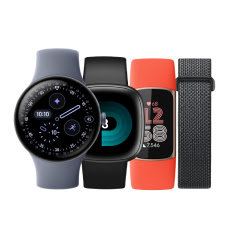
Choose Loss of Pulse Detection if you are an individual seeking a personal safety net that can automatically detect a critical health event and summon emergency assistance. This feature is ideal for users who want real-time monitoring and immediate, automated emergency response capabilities directly from their wearable device.
View Loss of Pulse Detection →Choose Tempus ECG-AF if…
Choose Tempus ECG-AF if you are a healthcare provider looking to proactively identify older patients at high risk of developing atrial fibrillation within the next year. This AI-powered tool is best suited for integrating into clinical workflows to enhance early detection and facilitate timely preventative interventions for eligible patients aged 65 or older.
View Tempus ECG-AF →Reviewed by Pouyan Golshani, MD — Interventional Radiologist
Quick Comparison
| Feature | Loss of Pulse Detection | Tempus ECG-AF |
|---|---|---|
| Pricing | Unknown | Contact vendor |
| Deployment | Unknown | Software solution, integrated into healthcare facility systems with advanced cardiology algorithms. |
| BAA Available | Yes AI-estimated | Yes AI-estimated |
| FDA Status | Cleared AI-estimated | Yes AI-estimated |
| HIPAA | Yes AI-estimated | Yes AI-estimated |
Head-to-Head
AI-generated assessment across six dimensions based on each tool's documented features and compliance posture. Grounded in public data — not a substitute for hands-on evaluation.
Usability
Loss of Pulse DetectionTool A (Loss of Pulse Detection) is integrated into a consumer wearable device, offering automatic detection and alerts with minimal user interaction once enabled. This direct-to-consumer, passive monitoring approach makes it highly accessible and user-friendly for the average individual. Tool B (Tempus ECG-AF) requires integration into healthcare facility systems and professional interpretation, making it less directly 'usable' by an individual patient.
Clinical Value
Tempus ECG-AFTool B (Tempus ECG-AF) provides proactive risk prediction for a chronic and serious condition (Atrial Fibrillation) within a 12-month window, enabling earlier identification and follow-up to potentially prevent severe complications like stroke. While Tool A addresses acute, life-threatening events with immediate intervention, Tool B's focus on predictive analytics for preventative care offers significant long-term clinical value by allowing for planned medical management.
Pricing & Value
Loss of Pulse DetectionTool A (Loss of Pulse Detection) is included as a feature with compatible devices, offering clear value to the consumer without any additional subscription or purchase cost. Tool B (Tempus ECG-AF) requires contacting the vendor for pricing, although it does have established CMS reimbursement pathways for healthcare providers. For the end-user, Tool A's 'free' inclusion with the device presents a more straightforward and accessible value proposition.
Enterprise Readiness
Tempus ECG-AFTool B (Tempus ECG-AF) is explicitly designed as a software solution for integration into healthcare facility systems and workflows, compatible with existing 12-lead ECG devices from major manufacturers. This makes it highly 'enterprise ready' for deployment within clinical settings. Tool A, while HIPAA compliant, is a consumer-facing feature on personal wearable devices and is not intended for enterprise-wide deployment by healthcare systems.
Innovation
Tempus ECG-AFBoth tools demonstrate innovation. Tool A innovates in real-time, acute event detection and automated emergency response using consumer wearables. However, Tool B's AI-based algorithm for predictive risk stratification of Atrial Fibrillation from standard 12-lead ECGs, trained on over 1.5 million ECGs, represents a significant advancement in leveraging AI for proactive disease management within a clinical diagnostic context.
Support & Docs
Tempus ECG-AFAs an enterprise clinical solution, Tool B (Tempus ECG-AF) inherently requires and provides comprehensive technical, clinical, and integration support, along with detailed documentation for healthcare professionals and IT teams. Tempus's website offers a document library with technical information and guidelines. Tool A, being a consumer feature, relies on general device support and user-facing help articles, which are typically less specialized than enterprise-level support.
Feature-by-Feature
Detail beyond the Quick Comparison summary. For pricing, deployment, BAA, FDA, and HIPAA see the Overview tab.
| Feature | Loss of Pulse Detection | Tempus ECG-AF |
|---|---|---|
| Name | Loss of Pulse Detection | Tempus ECG-AF |
| Description | FDA-cleared feature on compatible wearable devices that uses PPG and accelerometry to detect a potential loss of pulse and can automatically alert emergency services if the user is unresponsive. | FDA-cleared AI-based algorithm that analyzes 12-lead ECG recordings to identify patients aged 65 or older at increased risk of developing atrial fibrillation/flutter (AF) within the next 12 months, supporting earlier identification and follow-up. |
| Company | Fitbit | Tempus AI, Inc. |
| Primary Function | Automatic loss of pulse detection and automated emergency service calling if unresponsive. | AI-based algorithm for 12-lead ECG analysis to detect signs associated with new onset Atrial Fibrillation (AF) within 12 months. |
| Input/Sensor Type | PPG and accelerometry sensors | 12-lead ECG recordings |
| Target Population/Use Case | Users of compatible Fitbit/Pixel devices, with an opt-in feature for user control. | Patients aged 65 or older without pre-existing AF, pacemakers, ICDs, or recent cardiac surgery. |
Videos
Demos, reviews, and walkthroughs featuring Loss of Pulse Detection and Tempus ECG-AF.