Loss of Pulse Detection vs Tempus ECG-Low EF
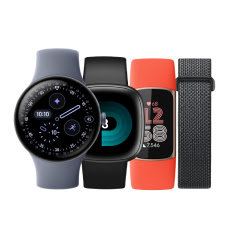

AI Verdict
Choose Loss of Pulse Detection if…
Choose Fitbit's Loss of Pulse Detection if you are an individual seeking continuous, real-time monitoring for acute cardiac events and desire automatic emergency service notification in case of unresponsiveness. This tool is ideal for users who want a wearable solution that can autonomously alert help, particularly those with conditions that may lead to sudden cardiac incidents or who live alone.
View Loss of Pulse Detection →Choose Tempus ECG-Low EF if…
Choose Tempus ECG-Low EF if you are a healthcare facility or clinician looking for an AI-powered diagnostic aid to screen patients 40 years or older for signs of low left ventricular ejection fraction (LVEF ≤40%). This software is best suited for integration into clinical workflows to assist in identifying patients at risk of heart failure based on standard 12-lead ECG recordings, prompting further evaluation and timely intervention.
View Tempus ECG-Low EF →Reviewed by Pouyan Golshani, MD — Interventional Radiologist
Quick Comparison
| Feature | Loss of Pulse Detection | Tempus ECG-Low EF |
|---|---|---|
| Deployment | Unknown | Integrates with current ECG platforms and electronic health records (EHRs). |
| BAA Available | Yes AI-estimated | Unknown |
| FDA Status | Cleared AI-estimated | Cleared AI-estimated |
| HIPAA | Yes AI-estimated | Unknown |
Head-to-Head
AI-generated assessment across six dimensions based on each tool's documented features and compliance posture. Grounded in public data — not a substitute for hands-on evaluation.
Usability
Loss of Pulse DetectionTool A, Loss of Pulse Detection, is designed for direct consumer use, offering passive monitoring and automated emergency response with minimal user intervention once set up. In contrast, Tool B, Tempus ECG-Low EF, is a clinical decision support tool that requires integration into healthcare facility workflows and interpretation by trained medical professionals.
Clinical Value
TieBoth tools offer significant, yet distinct, clinical value. Tool A addresses acute, life-threatening events by detecting potential pulse loss and automatically alerting emergency services. Tool B aids in the early identification of patients at risk for heart failure by detecting signs of low LVEF from ECGs, enabling timely intervention for chronic disease management.
Pricing & Value
Loss of Pulse DetectionTool A's Loss of Pulse Detection feature is included with compatible devices and is not sold as a standalone subscription, offering transparent and integrated value. Tool B's pricing is 'contact vendor,' which lacks transparency and makes it difficult to assess its value proposition without direct inquiry.
Enterprise Readiness
Tempus ECG-Low EFTool B, Tempus ECG-Low EF, is explicitly designed for integration into healthcare facility workflows and clinical diagnostic settings, making it inherently enterprise-ready. Tool A, while HIPAA compliant, is primarily a consumer-facing feature on wearable devices, which is less aligned with traditional enterprise healthcare deployments.
Innovation
Loss of Pulse DetectionTool A's automated emergency service calling based on physiological detection from a wearable device represents a significant innovation in personal safety and health monitoring, offering direct, autonomous intervention. While Tool B's AI analysis of ECGs for LVEF detection is innovative in improving diagnostic pathways, Tool A's direct life-saving automation from a consumer device feels more groundbreaking in its immediate impact.
Support & Docs
Tempus ECG-Low EFAs an enterprise solution, Tempus ECG-Low EF (Tool B) is expected to offer dedicated, comprehensive professional support, training, and documentation tailored for clinical and IT integration within healthcare facilities. In contrast, Tool A, being a feature of a consumer device, would typically rely on consumer-grade support channels and general device documentation.
Feature-by-Feature
Detail beyond the Quick Comparison summary. For pricing, deployment, BAA, FDA, and HIPAA see the Overview tab.
| Feature | Loss of Pulse Detection | Tempus ECG-Low EF |
|---|---|---|
| Primary Purpose | Detects a potential loss of pulse and can automatically alert emergency services if the user is unresponsive. | Analyzes 12-lead ECG recordings to detect signs associated with low left ventricular ejection fraction (LVEF u226440%) in patients 40 years or older at risk of heart failure, to aid clinicians in further evaluation. |
| Company | Fitbit | Tempus AI |
| Target Condition/Detection | Potential loss of pulse | Signs of low Left Ventricular Ejection Fraction (LVEF u226440%) |
| Input Data | PPG and accelerometry sensors | Resting, non-ambulatory 12-lead ECG recordings |
| Output/Action | Haptic and audio alerts to the user; automated emergency service calling if unresponsive; shares location with emergency services. | Binary output (Low LVEF Detected / Not Detected) to aid clinicians. |
| Target User/Setting | Individual user with compatible wearable device (e.g., Pixel Watch 3) | Clinicians in clinical diagnostic settings at healthcare facilities, for patients 40+ years at risk of heart failure. |
Videos
Demos, reviews, and walkthroughs featuring Loss of Pulse Detection and Tempus ECG-Low EF.
Frequently Asked Questions
More Comparisons
More matchups featuring Loss of Pulse Detection or Tempus ECG-Low EF
Backers
Who funded each tool's parent company.