AmCAD-UT

by AmCad BioMed Corporation  · Based in Taiwan → — Clarity in Diagnosis: Pioneering AI in Ultrasound Imaging
Endocrinology Otolaryngology (ENT) Radiology

Contact for pricing
Regulatory Status Disclosed

Overview

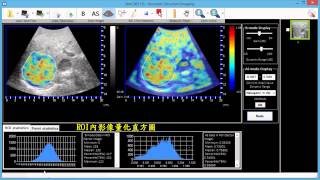
AmCAD-UT is an innovative AI-powered software solution developed by AmCad BioMed Corporation, designed to revolutionize thyroid ultrasound examinations. It assists medical professionals in the detection, analysis, and characterization of thyroid nodules, aiming to enhance diagnostic accuracy and streamline clinical workflows. The system utilizes patented image analysis technology to capture and quantify clinical diagnostic features from 2D ultrasound images, providing detailed color-coded visualizations of nodule characteristics such as echogenicity, shape, margins, and calcifications.

AmCAD-UT integrates seamlessly into existing workflows by offering automatic nodule detection and contouring, instant TI-RADS analysis (supporting 8 major guidelines), and automated report generation. This reduces manual tracing and provides fast, consistent, and objective risk stratification. Studies have shown that AmCAD-UT can significantly improve diagnostic performance, with reported increases in overall AUC, specificity, and sensitivity, particularly in challenging cases. It supports both real-time AI detection with handheld ultrasound devices and DICOM analysis on PCs, offering cross-platform flexibility on Android and Windows.

Reviewed by Pouyan Golshani, MD — Interventional Radiologist

Key Features

  • AI-powered real-time guidance for identifying thyroid structure and alerting suspicious findings
  • Automatic Nodule Detection & Contouring
  • Instant TI-RADS Analysis (supports 8 major TI-RADS guidelines)
  • Automated Report Generation
  • Color-Coded Nodule Features (visualizes echogenicity, shape, margins, calcifications)
  • Quantified Nodule Sonographic Characteristics
  • Cross-platform flexibility (Android and Windows platforms)
  • DICOM analysis on PC and PACS compatible
  • Enhances diagnostic accuracy (e.g., +8.8% overall AUC, +55% specificity, +30% sensitivity)
  • Supports B-mode ultrasound image analysis

Use Cases

  • Assessing thyroid nodules with ultrasound
  • Early detection and diagnosis of thyroid cancer
  • Reducing indeterminate thyroid nodule cases
  • Streamlining thyroid ultrasound workflow
  • Assisting sonographers in diagnosing Thyroid Imaging Reporting and Data System (TI-RADS) grade 3 and 4 lesions
  • Post-acquisition analysis of thyroid ultrasound images

What Physicians Need to Know

Key Capabilities
AmCAD-UT offers automatic thyroid nodule detection and contouring, eliminating manual tracing. It provides instant TI-RADS analysis, supporting 8 major TI-RADS guidelines, and automates report generation. The system quantifies and visualizes key sonographic features like echogenicity, shape, margins, calcifications, and texture using patented algorithms. It supports B-mode ultrasound image analysis on Android and Windows platforms, including real-time AI analysis for handheld ultrasound devices, and can analyze DICOM files from any ultrasound machine.
Clinical Utility
The tool enhances diagnostic accuracy and efficiency for thyroid nodule assessment, reducing reader-to-reader variability by 14%. It improves accuracy for clinicians of all experience levels, with reported increases in overall AUC by 8.8% for junior readers, specificity by 55%, and sensitivity by 30%. AmCAD-UT demonstrates higher reliability in analyzing unclear or misleading images compared to human observers and assists in avoiding unnecessary surgical interventions. Some studies indicate it can improve benign tumor detection by 47% and malignant tumor detection by 100% without surgery, compared to traditional tests.
Integration Options
AmCAD-UT is PACS compatible and can analyze DICOM, JPEG, BMP, or TIFF files from various ultrasound machines. It supports integration into standard reading environments, via AI marketplaces, or as a stand-alone web-based solution. Deployment options include cloud-based or locally on dedicated hardware. The system is designed for cross-platform flexibility, working with Android and Windows, and integrates with existing handheld ultrasound devices for real-time AI assistance.
Compliance Status
AmCAD-UT holds U.S. FDA 510(k) Clearance, being the first AI-based medical software for thyroid analysis to receive this approval. It also has CE Mark Certification and Taiwan Medical Device Marketing Approval. The software development adheres to documented processes for design, verification, and validation testing.
Pricing Model
The pricing model for AmCAD-UT is subscription-based, determined by factors such as the number of analyses performed and/or the number of installations.
User Experience
The software features a user-friendly interface with automated nodule detection and contouring, minimizing manual input. It provides fast processing, typically under 10 seconds, and utilizes color-coded visualization for detailed nodule features. The system can be operated from an external USB drive and offers AI-suggested regions of interest (ROI) with options for manual correction.
Implementation Complexity
Implementation is flexible due to its cross-platform compatibility (Android, Windows, handheld, PC) and PACS integration. It can be deployed either cloud-based or locally on dedicated hardware, and there are efforts to integrate with major international Point-of-Care Ultrasound (POCUS) manufacturers. The user-friendly interface is designed for ease of operation.
Evidence Base
AmCAD-UT has a validated clinical accuracy, supported by over 30 international publications and peer-reviewed papers. Clinical Multiple-Reader-Multiple-Case (MRMC) studies have demonstrated its effectiveness in enhancing sonographic analysis and clinical judgment. Research indicates comparable diagnostic performance to experienced clinicians and the potential to improve outcomes for less experienced users. Studies report an accuracy of up to 90%.
Physician Tip

Consider AmCAD-UT for its potential to standardize thyroid nodule assessment and reduce inter-observer variability, especially in busy practices or for less experienced sonographers. Its real-time AI capabilities with handheld ultrasound can be particularly beneficial for point-of-care diagnostics and rural outreach. Leverage its multi-TI-RADS support to align with preferred guidelines and ensure comprehensive reporting. The automated features can streamline workflow, allowing more focus on patient interaction and complex cases. Always integrate AI findings with your clinical expertise and patient history for a holistic diagnosis.

AmCAD-UT offers robust integration capabilities, being PACS compatible and able to process various image formats (DICOM, JPEG, BMP, TIFF) from diverse ultrasound machines. It can function as a standalone application, integrate into existing reading environments, or be accessed via AI marketplaces. The flexibility of cloud-based or local deployment, along with compatibility with handheld ultrasound systems, makes it adaptable to different clinical setups. Future web browser-based cloud analysis features are also being developed.

Details

Category Endocrinology & Metabolic AI, Radiology & Imaging AI
Pricing Contact for pricing
DeploymentCloud-based (features being tested for web browsers/cloud analysis), Locally on dedicated hardware (Windows-based software)
Compliance
BAA AvailableUnknown AI-estimated
HIPAA CompliantUnknown AI-estimated
FDA Status 1 AI-estimated

AmCAD-UT received FDA 510(k) clearance (K203555) on September 8, 2021. It is a Windows-based computer-aided detection (CADe) device intended to assist medical professionals in analyzing thyroid ultrasound images acquired from FDA-cleared ultrasound systems.

Integrations
EHR Not specified
Specialties Endocrinology, Otolaryngology (ENT), Radiology

What the Web Says

AmCAD-UT is a computer-aided diagnosis (CAD) software designed to assist physicians in analyzing thyroid ultrasound images for nodule detection, characterization, and risk stratification. It utilizes patented image analysis technology to identify and quantify sonographic features, providing both visual and quantitative data to aid in diagnosis. The system aims to improve diagnostic accuracy, especially for less experienced clinicians, and streamline the reporting process through automated report generation.

Overall: Mixed

Strengths

  • Strong measurement accuracy for nodule size.
  • Comparable diagnostic performance to experienced clinicians, potentially improving that of less experienced ones.
  • Provides objective second opinion.
  • Automates nodule detection, contouring, and TI-RADS analysis, saving time and improving efficiency.
  • Supports multiple TI-RADS guidelines.
  • Converts detection results into comprehensive clinical reports with diagnostic information and feature visualization.

Limitations

  • Limited risk-stratification agreement, with a tendency to downgrade lesions.
  • Lower specificity compared to experienced radiologists in some studies.
  • Performance increase for senior physicians may not be statistically significant.
  • Relies on static images rather than real-time imaging.
  • Lack of an obvious value proposition for practices already performing well without such tools.
  • Some studies have limitations such as single-center design and small sample sizes.

Based on reviews from: Health AI Register, PMC, AJR Special Series on AI Applications, PLOS, Healthcare+ Expo, Taiwan, Frontiers, ResearchGate

Last updated: 2026-07-17

Ratings & Reviews

Rate AmCAD-UT

Clinical Value
Ease of Use
Integration
Support & Docs
Value for Money
No press coverage or publications on file yet. Know of some? Suggest an edit →

Videos

Product demos, reviews, and walkthroughs for AmCAD-UT.

Loading videos...

View all on YouTube

Frequently Asked Questions

AmCAD-UT is designed to integrate into standard reading environments like PACS or can be used as a standalone web-based system. It processes 2D grayscale ultrasound images to automatically recognize nodules, quantify sonographic features, and provide risk analysis based on global guidelines, generating a report in DICOM or PDF format.
AmCAD-UT has received FDA clearance (510(k)) and CE certification, indicating it meets the necessary regulatory standards for medical devices in the US and Europe. It is classified as a Class II medical device, affirming its compliance with established safety and performance criteria.
Studies have demonstrated AmCAD-UT's accuracy in assisting physicians with thyroid nodule diagnosis, with some research indicating up to 90% accuracy. It aims to improve the detection rate of benign and malignant tumors and provides objective, consistent analysis of sonographic features and TI-RADS scoring.
As an AI-assisted tool, AmCAD-UT is intended to support, not replace, physician decision-making; the physician's initial review and final interpretation remain crucial. Additionally, like many deep learning models, it can present a 'black box problem,' where the exact decision-making process of the AI may not be fully transparent.
Several other FDA-approved AI tools exist for thyroid nodule interpretation, including S-Detect (Samsung Medison), Koios DS (Koios Medical), and MEDO-Thyroid (Medo.ai). These systems offer varying features and integration methods for assisting in the analysis and risk stratification of thyroid nodules.
AmCAD-UT is generally offered on a subscription basis, with pricing models often dependent on factors such as the number of analyses performed or the number of installations required. Specific pricing details usually necessitate direct inquiry with the vendor, as they are not publicly disclosed.
As an FDA-cleared and CE-certified medical device, AmCAD-UT must adhere to stringent regulatory requirements for data handling and patient privacy. Its integration with PACS systems also implies compliance with existing hospital data security frameworks and protocols.

Related Tools

StackAI for Endocrinology Practices
StackAI
Documentation & Scribing
StackAI helps endocrinology practices deploy secure AI agents that automate patient support, summarize clinical context, and streamline document-driven workflows with enterprise governance and HIPAA-ready controls.
SNAQ MCP
SNAQ
Developer Tools & APIs
SNAQ MCP Server is a secure connection that lets AI assistants like ChatGPT, Claude, Gemini, Mistral, and Perplexity work with your SNAQ diabetes data. Once connected, you can ask about your glucose curves and patterns, log meals and insulin by chat, and get SNAQ's insights in plain language, all from inside the assistant you already use.
Scribe4Me AI Medical Scribes for Endocrinology
Scribe4Me AI (a brand of Physicians Angels, Inc.)
Documentation & Scribing
Scribe4Me AI converts doctor-patient conversations into structured clinical notes automatically, aiming to transform practices by saving time and enhancing workflow. They offer both AI-powered Smart Scribe and Hybrid Scribe solutions with human review.
NutriStyle
NutriStyle
Endocrinology & Metabolic AI
NutriStyle is an AI-powered nutrition engine that delivers nutrient-precise, personalized meal plans based on individual health conditions, medications, dietary preferences, and goals, integrating with EMRs and telehealth systems.
Guardian Connect
Medtronic
Endocrinology & Metabolic AI
The Medtronic Guardian Connect system is a continuous glucose monitoring (CGM) system that provides real-time glucose level monitoring and alerts on mobile devices, with AI capabilities for predicting blood glucose changes.
Nourish (for providers)
Nourish
Endocrinology & Metabolic AI
Nourish offers an AI-powered platform connecting patients with Registered Dietitians for virtual nutrition counseling, with 94% of patients paying $0 out-of-pocket due to insurance partnerships. The platform includes AI-powered meal logging for patients and AI-driven insights for providers, aiming to make nutrition care more accessible, effective, and human.

See all Endocrinology & Metabolic AI tools →

More from AmCad BioMed

AmCAD-UO
AmCad BioMed Corporation
Radiology & Imaging AI
AmCAD-UO is an FDA-cleared, AI-powered ultrasound system by AmCad BioMed Corporation for the rapid, non-invasive detection and assessment of Obstructive Sleep Apnea (OSA) in awake patients.
AmCAD-UV
AmCad BioMed Corporation
Cardiology AI
AmCAD-UV is an AI-powered ultrasound software device for vascular pulsatility analysis, quantifying and classifying ultrasonic color intensity data to assist in interpreting hemodynamic variations in blood vessels. It is FDA-cleared for prescription use as a general-purpose medical image processing tool.

View company profile →

Suggest an Edit → | Last Verified: 2026-04-17 | First Added: 2026-04-17
AI Tool Finder
AI-powered search. Results may not be comprehensive.