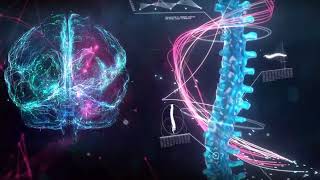
Brainlab Elements Fibertracking (3.0)

by Brainlab AG  · Based in Germany →Advanced AI for Precision Neurosurgical Planning
Neurosurgery Radiology

Contact vendor
Regulatory Status Disclosed

Overview

Brainlab Elements Fibertracking (3.0) is an advanced software application designed to enhance neurosurgical planning by providing detailed visualization and analysis of cranial white matter tracts. It is a component of the broader Brainlab Elements suite of medical imaging software applications. The tool integrates combined MRI and Diffusion Weighted Imaging (DWI) data to facilitate patient-specific planning for complex cranial procedures.

The software offers both deterministic and probabilistic tractography methods, allowing clinicians to identify intricate fiber pathways, including those that cross, fan out, or are present in edema. This capability is crucial for informing decisions in cranial resection surgeries and functional stereotactic neurosurgery. Brainlab Elements Fibertracking (3.0) is intended for use in treatment planning procedures and is not for diagnostic purposes.

Reviewed by Pouyan Golshani, MD — Interventional Radiologist

Key Features

  • Seamlessly switch between deterministic and probabilistic tractography
  • Identification of complex brain fiber pathways (crossing, fanning, in edema)
  • Range of tracking templates for standardized and reproducible mapping of white matter tracts
  • Integration of combined MRI and DWI data for patient-specific planning
  • Intuitive user interface and instant updates
  • Color-coded 3D visualization of neural pathways
  • Supports pre-planning workflow for cranial resection surgery and functional stereotactic neurosurgery
  • Utilizes Constrained Spherical Deconvolution (CSD) and Diffusion Tensor Imaging (DTI) based algorithms
  • Full integration of DICOM DTI data import
  • Not intended for diagnostic purposes

Use Cases

  • Cranial resection procedures (e.g., eloquent and non-eloquent tumors, skull-base tumors, other lesions)
  • Functional neurosurgery (e.g., DBS trajectory planning, sEEG electrode correlation, epilepsy resection/ablation strategies)
  • Pre-planning for cranial radiotherapy treatments
  • Preoperative evaluation and planning for neurosurgical interventions
  • Function-based fiber tracking when combined with navigated transcranial magnetic stimulation (nTMS) data

What Physicians Need to Know

Brain MRI/DWI Analysis
Brainlab Elements Fibertracking 3.0 processes and visualizes Diffusion Weighted Imaging (DWI) data to calculate and visualize cranial white matter tracts. It integrates combined MRI and DWI data for patient-specific planning.
Advanced Tractography
The software utilizes both deterministic DTI-based and advanced probabilistic Constrained Spherical Deconvolution (CSD)-based tractography. This allows for the identification of multiple fiber directions, including crossing and fanning fibers, and improved tracking through regions of edema.
Surgical Planning Support
Fibertracking 3.0 is indicated for planning cranial surgical treatments and preplanning cranial radiotherapy treatments. It supports pre-planning workflows for cranial resection surgery (e.g., tumor removal) and functional stereotactic neurosurgery cases (e.g., DBS, sEEG for epilepsy).
Tracking Templates
The system offers a selection of tracking templates (e.g., IFOF, CST) to enable efficient, standardized, and reproducible tracking of important white matter tracts in regions of interest.
3D Visualization
It provides color-coded 3D visualization of neural pathways, enhancing neurological understanding and aiding in surgical decision-making.
Physician Tip

Leverage the dual-algorithm approach (DTI and CSD-based probabilistic tractography) to gain comprehensive insights into complex white matter architecture, especially in areas with crossing fibers or edema, for more precise surgical planning and enhanced safety margins. Utilize the pre-defined tracking templates for efficient and standardized identification of critical white matter tracts. Integrate Fibertracking data with other imaging modalities for a holistic patient-specific pre-planning workflow in cranial resection and functional neurosurgery. While valuable for planning, remember that Fibertracking 3.0 is not intended for diagnostic purposes.

Brainlab Elements Fibertracking 3.0 is designed to integrate combined MRI and DWI data for a seamless pre-planning workflow. It is part of the broader Brainlab Elements suite, suggesting compatibility and integration with other Brainlab planning modules like Elements Image Fusion and Elements Distortion Correction Cranial for enhanced accuracy in image co-registration and distortion correction.

Details

Category Neurology AI, Radiology & Imaging AI, Surgical AI
Pricing Contact vendor
DeploymentOn-premise (Windows platforms with specific hardware requirements)
Compliance
BAA AvailableUnknown AI-estimated
HIPAA CompliantUnknown AI-estimated
FDA Status 1 AI-estimated

Brainlab Elements Fibertracking (3.0) is part of the Brainlab Elements (7.0) suite, which received FDA 510(k) clearance (K243633). It is indicated for planning cranial surgical treatments and preplanning cranial radiotherapy treatments, specifically for processing and visualization of cranial white matter tracts based on Diffusion Weighted Imaging (DWI) data, and is not intended for diagnostic purposes.

Integrations
EHR Not specified
Specialties Neurosurgery, Radiology

What the Web Says

Brainlab Elements Fibertracking 3.0 is a neurosurgical planning software that enhances the visualization and analysis of brain white matter pathways. It utilizes both deterministic DTI-based and advanced probabilistic CSD-based tractography to provide detailed 3D visualizations of neural pathways, aiding in precise surgical planning for cranial resection and functional neurosurgery. The software aims to improve patient care by offering a more comprehensive understanding of brain structures, especially in complex cases involving crossing fibers or edema.

Overall: Positive

Strengths

  • Advanced probabilistic CSD-based tractography for more accurate fiber visualization, including crossing and fanning fibers and those in edema.
  • Ability to switch between deterministic and probabilistic tractography for case-specific insights.
  • Color-coded 3D visualization of neural pathways.
  • Integration of combined MRI and DWI data for patient-tailored planning and a seamless pre-planning workflow.
  • Use of tracking templates for efficient, standardized, and reproducible tracking of important white matter tracts.
  • Enhances precision in cranial resection surgeries and functional neurosurgery by helping avoid critical structures.

Limitations

  • Limited information available from independent review platforms like G2, Capterra, or Reddit.
  • Potential for tractography errors, as noted in general discussions about neuronavigation systems.
  • High costs and limited availability may be a barrier for some institutions.
  • Requires specialized training for neurosurgeons.
  • Vulnerability to brain shift and repositioning during surgery.

Based on reviews from: Brainlab Official Website, accessdata.fda.gov, SIUN.AM, YouTube (Brainlab Elements: The Software Revolutionizing Modern Surgery), ResearchGate, Worldmetrics

Last updated: 2026-07-18

Ratings & Reviews

No reviews yet. Be the first to review this tool!

Rate Brainlab Elements Fibertracking (3.0)

Clinical Value
Ease of Use
Integration
Support & Docs
Value for Money

Press & Coverage

FDA Radiology AI Device
Brainlab Elements (7.0); Brainlab Elements Image Fusion (5.0); Brainlab Elements Image Fusion Angio (1.0); Brainlab Elements Contouring (5.0); Brainlab Elements Fibertracking (3.0); Brainlab Elements BOLD MRI Mapping (1.0) | FDA Radiology AI Device
This FDA approval details Brainlab Elements 7.0, which includes Fibertracking 3.0, a software application for processing and visualizing cranial white matter tracts based on Diffusion Weighted Imaging (DWI) data for treatment planning. The suite supports image fusion, contouring, and BOLD MRI mapping, and is indicated for planning cranial surgical and radiotherapy treatments.
2025-06
FDA
K243633 - 510(k) Premarket Notification - FDA
This 510(k) Premarket Notification from the FDA lists Brainlab Elements (7.0), including Fibertracking (3.0), with Brainlab AG as the applicant. It specifies the regulation number 21 CFR 892.2050 for medical image management and processing systems.
2025-06
accessdata.fda.gov
June 13, 2025 Brainlab AG Sadwini Suresh QM Consultant Olof-Palme-Str.9 Munich, 81829 Germany Re: K243633 Trade/Device Name
This FDA document confirms the 510(k) premarket notification for Brainlab Elements Fibertracking (3.0), indicating its use for processing and visualizing cranial white matter tracts based on Diffusion Weighted Imaging (DWI) data for treatment planning, not for diagnostic purposes. It is cleared for planning cranial surgical and radiotherapy treatments.
2025-06
RadAI Slice
Brainlab Elements Image Fusion, Contouring (4.5);Image Fusion (4.5);Fibertracking (2.0);BOLD MRI Mapping (1.0);Image Fusion Angio (1.0) | FDA Radiology AI Device
This article from RadAI Slice mentions Brainlab Elements Fibertracking (3.0) in the context of FDA-approved radiology AI devices, noting its inclusion in the Brainlab Elements suite for processing medical image data to assist clinicians in planning surgeries and radiation treatments.
2023-07
Brainlab
CE marking - Brainlab
Brainlab's official website lists 'Brainlab Elements Fibertracking 3.0' with CE 0123 marking from Tu00dcV Su00dcD Product Service GmbH, indicating its compliance with European health, safety, and environmental protection standards.
unknown
Anvisa
INSTRUu00c7u00d5ES DE USO - Anvisa
This document from Anvisa, the Brazilian Health Regulatory Agency, includes 'Brainlab Elements Fibertracking 3.0' in its instructions for use, detailing software compatibility and cybersecurity considerations for the device.
2025-06

Videos

Product demos, reviews, and walkthroughs for Brainlab Elements Fibertracking (3.0).

View all on YouTube

No FAQs available yet for this tool.

Related Tools

DETECT-ME/CFS project
ME/CFS Research Foundation (Sponsor: Federal Ministry of Health (BMG))
Clinical Decision Support & Reference
The DETECT-ME/CFS project is developing an AI-supported clinical decision support system to improve the rapid and reliable diagnosis of Myalgic Encephalomyelitis/Chronic Fatigue Syndrome.
Neurotrack
Neurotrack
Clinical Decision Support & Reference
Neurotrack is a cognitive care enablement platform that provides clinically validated, FDA class II device assessments and care planning support to identify and manage cognitive decline and dementia earlier and with greater accuracy.
LesionQuant
CorTechs Labs
Neurology AI
LesionQuant, an FDA-approved AI product by CorTechs Labs, is particularly useful for patients with multiple sclerosis. It provides brain structure data and quantifies the number, size, and location of lesions, comparing them to prior studies.
ExcelsiusGPS
Globus Medical
Neurology AI
ExcelsiusGPS™ is the first and only robotic navigation platform on the market that offers a comprehensive approach to spine and cranial procedures, from start to finish. The system enables repeatable and accurate trajectory alignment and navigation for placing screws, interbody implants, and cranial instruments.
Onera SleepMap
Onera B.V.
Neurology AI
Onera SleepMap is an AI-powered sleep analysis software that processes polysomnography data, part of Onera Health's innovative patch-based system for at-home and in-lab sleep studies. The system aims to make clinical-grade sleep diagnostics more accessible and user-friendly, providing comprehensive data comparable to traditional in-lab PSG.
JLK-NCCT
JLK-NCCT
Clinical Decision Support & Reference
JLK-NCCT is an AI software designed to assist in the analysis of non-contrast CT brain scans for the detection of acute ischemic stroke.

See all Neurology AI tools →

More from Brainlab AG

(Elements) Cranial SRS
Brainlab AG
Neurology AI
Elements Cranial SRS by Brainlab AG is an advanced software for stereotactic radiosurgery planning in cranial cases, offering automated, indication-specific treatment plans with 3D visualization and advanced optimization algorithms for precise and efficient dose delivery.
(Elements) Dose Review
Brainlab AG
Oncology AI
Brainlab Elements Dose Review is an AI-powered software for radiation therapy planning, offering detailed dose analysis, plan comparison, and segmentation for various anatomical regions as part of the broader Brainlab Elements suite.
(Elements) Retreatment Review
Brainlab AG
Neurology AI
Elements Retreatment Review is an AI-powered software by Brainlab AG that streamlines retreatment planning for multiple brain metastases by integrating prior treatment data, new scans, and AI-driven tumor segmentation for optimal decision-making.
(Elements) Spine SRS
Brainlab AG
Oncology AI
Brainlab Elements Spine SRS is an advanced, AI-powered software for highly automated and precise treatment planning of spinal metastases using stereotactic radiosurgery (SRS) and stereotactic body radiation therapy (SBRT). It offers features like spinal curvature correction, automatic target delineation, and optimized dose calculation for superior spinal cord sparing.

View company profile →

Suggest an Edit → | Last Verified: 2026-04-17 | First Added: 2026-04-17
AI Tool Finder
AI-powered search. Results may not be comprehensive.