Google Health (Ophthalmology AI)
Overview
Google Health is a health-and-wellbeing initiative by Google, focused on leveraging AI and technology to address pressing health challenges. The initiative aims to empower individuals, advance AI capabilities in health, transform healthcare organizations, and foster a thriving health ecosystem. [2, 22] Google Health’s work includes developing AI systems for detecting diabetic retinopathy and predicting the progression of age-related macular degeneration. [18, 20, 31, 35] They also conduct research into conversational medical AI, like Project AMIE, designed to assist both patients and physicians. [5, 22, 23, 26] Furthermore, Google Health offers a mobile app (formerly Fitbit app) that provides personalized AI-powered coaching for fitness, sleep, and overall wellness, with options to sync data from wearables and medical records. [6, 28, 29, 32]
Reviewed by Pouyan Golshani, MD — Interventional Radiologist
Key Features
- AI-powered diabetic retinopathy detection from retinal images
- AI for predicting age-related macular degeneration progression from retinal images and OCT scans
- Conversational medical AI research (Project AMIE) for patient and physician interaction
- Personalized AI health coaching for fitness, sleep, and nutrition
- Integration with Fitbit and Pixel Watch for health and wellness tracking
- Ability to sync medical records for a comprehensive health view (in select countries)
- AI-powered tools for optimizing healthcare workflows and reducing administrative burden
- Open-weight AI models (MedGemma, TxGemma) for healthcare application development
- Real-time video medical consultation processing (demonstrated in research)
- AI for cancer diagnosis and genomics research
Use Cases
- Early detection and screening of diabetic retinopathy
- Predicting the progression of age-related macular degeneration
- Assisting healthcare professionals with diagnostic image analysis in ophthalmology, pathology, and radiology
- Providing personalized health and wellness guidance to individuals
- Automating administrative tasks in healthcare settings
- Accelerating drug discovery and clinical trial optimization
Details
| Category | Ophthalmology AI |
| Pricing |
Subscription-based
|
| Deployment | Cloud-based |
| Compliance | |
| BAA Available | Yes AI-estimated |
| HIPAA Compliant | Yes AI-estimated |
| FDA Status |
Unknown AI-estimated Google has CE mark clearance for its diabetic retinopathy AI tool, which covers Thailand, but is still waiting for FDA approval in the US. [15] |
| Integrations | |
| EHR | Not specified |
| Specialties | Oncology, Ophthalmology, Radiology |
What the Web Says
Google Health's AI for ophthalmology, particularly for detecting diabetic retinopathy, has shown high accuracy in lab settings, often on par with human specialists. However, real-world implementation has presented challenges, including the need for high-quality images, variations in clinic workflows, and internet connectivity issues, which can lead to rejected scans and frustration for both nurses and patients. Despite these hurdles, the technology has the potential to significantly reduce diagnosis times and improve access to care, especially in areas with a shortage of specialists.
Overall: MixedStrengths
- High accuracy in detecting diabetic retinopathy, comparable to human specialists.
- Potential to significantly speed up diagnosis, reducing waiting times from weeks to minutes.
- Can improve access to screening and early detection, especially in regions with limited ophthalmologists.
- Ability to identify early-stage disease even in asymptomatic patients.
- Works on a broad range of OCT devices, allowing for wider application.
- Can predict other health information like age, gender, BMI, and cardiovascular risks from eye scans.
Limitations
- Requires high-quality images, which can be difficult to obtain in real-world clinical settings due to poor lighting or nurse training.
- Inconsistent performance in real-world environments, sometimes failing to provide a result.
- Rejected images can lead to patient frustration and unnecessary follow-up appointments.
- Variations in clinic workflows and poor internet connections can hinder effective implementation.
- Concerns about data privacy and the ethical implications of AI in healthcare.
- Some studies suggest that AI chatbots (like Google's) may still have inaccuracies or biases in general health advice compared to specialized LLMs.
Based on reviews from: Reddit, Google Research, Medium, Newsweek, Facebook, YouTube, PubMed, Google Cloud, Capterra, G2
Last updated: 2026-08-26
Ratings & Reviews
No reviews yet. Be the first to review this tool!
Rate Google Health (Ophthalmology AI)
Press & Coverage
Videos
Product demos, reviews, and walkthroughs for Google Health (Ophthalmology AI).
Digital Health Meetup - University Medicine Greifswald meets Google Health - AI in Ophthalmology
Digital Health Hub MV

Prof. Dr. Andreas Stahl - AI in Ophthalmology
Digital Health Hub MV

Naama Hammel, MD - AI in Ophthalmology
Digital Health Hub MV
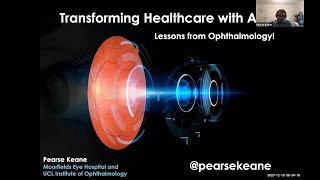
Transforming Healthcare with AI: Lessons from Ophthalmology
Icahn School of Medicine
![How to Build an AI Eye Care Health App [2026] | AI Ophthalmology App Development](https://i.ytimg.com/vi/t5dsoF95Ur8/mqdefault.jpg)
How to Build an AI Eye Care Health App [2026] | AI Ophthalmology App Development
Idea Usher
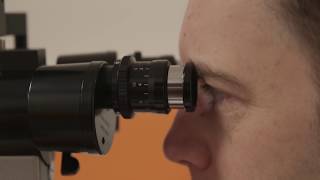
DeepMind Health Research and Moorfields Eye Hospital NHS Foundation Trust: What our research shows
Google DeepMind