Loss of Pulse Detection vs LINQ II Insertable Cardiac Monitor
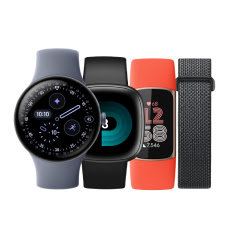

AI Verdict
Choose Loss of Pulse Detection if…
Choose Fitbit's Loss of Pulse Detection if you are an individual seeking an immediate, automated emergency response system for sudden, critical cardiac events. This feature is ideal for users who desire the peace of mind that comes with a wearable device capable of detecting a potential loss of pulse and automatically alerting emergency services if they become unresponsive, particularly when alone.
View Loss of Pulse Detection →Choose LINQ II Insertable Cardiac Monitor if…
Choose the Medtronic LINQ II Insertable Cardiac Monitor if you are a clinician needing long-term, continuous heart rhythm monitoring for patients with suspected or diagnosed arrhythmias that are difficult to capture with external monitors. This device is best suited for diagnosing infrequent or asymptomatic arrhythmias over an extended period (up to 4.5 years) with enhanced AI-powered accuracy and remote management capabilities.
View LINQ II Insertable Cardiac Monitor →Reviewed by Pouyan Golshani, MD — Interventional Radiologist
Quick Comparison
| Feature | Loss of Pulse Detection | LINQ II Insertable Cardiac Monitor |
|---|---|---|
| Deployment | Unknown | Subcutaneous implant with remote monitoring via mobile app or home communicator. |
| BAA Available | Yes AI-estimated | Unknown |
| FDA Status | Cleared AI-estimated | Cleared AI-estimated |
| HIPAA | Yes AI-estimated | Unknown |
Head-to-Head
AI-generated assessment across six dimensions based on each tool's documented features and compliance posture. Grounded in public data — not a substitute for hands-on evaluation.
Usability
Loss of Pulse DetectionTool A (Loss of Pulse Detection) is integrated into a consumer wearable device, offering a non-invasive and automatic experience for the end-user. Tool B (LINQ II) requires a medical procedure for insertion, making its initial adoption less straightforward from a patient's perspective, despite its remote monitoring capabilities for clinicians.
Clinical Value
LINQ II Insertable Cardiac MonitorTool B (LINQ II) provides long-term, continuous heart rhythm monitoring with AI-powered accuracy for diagnosing a broader range of arrhythmias, including a pediatric indication, offering comprehensive diagnostic and management value over an extended period. Tool A focuses on acute, life-threatening loss of pulse events and emergency alerts, which is valuable but more reactive and limited in scope.
Pricing & Value
Loss of Pulse DetectionTool A (Loss of Pulse Detection) is included with compatible Fitbit/Pixel devices and is not sold as a standalone subscription, offering clear and transparent value to the individual consumer. Tool B (LINQ II) has enterprise pricing that is negotiated with healthcare systems and not publicly disclosed, making its value proposition less transparent for the end-user.
Enterprise Readiness
LINQ II Insertable Cardiac MonitorTool B (LINQ II) is explicitly designed for healthcare systems, with a track record of over 1 million patients worldwide and features like remote programming and integration with the CareLink Network, demonstrating robust enterprise adoption and infrastructure. Tool A is a consumer-facing feature on a wearable, and while FDA-cleared and HIPAA-compliant, its primary deployment model is not directly enterprise-focused in the same way as an implantable cardiac monitor.
Innovation
LINQ II Insertable Cardiac MonitorTool B (LINQ II) showcases significant innovation with its AccuRhythmu2122 AI algorithms for enhanced accuracy, innovative PVC detection, and long-term continuous monitoring (up to 4.5 years), pushing the boundaries of implantable cardiac monitoring. Tool A's automatic loss of pulse detection and emergency calling on a wearable is innovative for a consumer device, but Tool B's AI-driven diagnostic advancements in a specialized medical device category represent a deeper technological leap.
Support & Docs
LINQ II Insertable Cardiac MonitorAs a medical device for healthcare systems, Medtronic (Tool B) provides extensive professional support, training, and comprehensive documentation for clinicians, including dedicated technical and patient services. Fitbit (Tool A), being a consumer feature, relies on general customer support channels and device manuals, which are typically less specialized and comprehensive than those for enterprise medical devices.
Feature-by-Feature
Detail beyond the Quick Comparison summary. For pricing, deployment, BAA, FDA, and HIPAA see the Overview tab.
| Feature | Loss of Pulse Detection | LINQ II Insertable Cardiac Monitor |
|---|---|---|
| Company | Fitbit | Medtronic |
| Primary Detection/Monitoring Capability | Automatic loss of pulse detection with emergency service alerts | Long-term, continuous heart rhythm monitoring with AI-powered accuracy for diagnosing arrhythmias |
| Target Medical Specialties | Cardiology, Critical Care, Emergency Medicine | Cardiology |
| Long-term Monitoring Duration | Not specified | Up to 4.5 years |
| Pediatric Indication | Not specified | Yes (ages 2+) |
Videos
Demos, reviews, and walkthroughs featuring Loss of Pulse Detection and LINQ II Insertable Cardiac Monitor.