CELLAVISION DM1200 WITH THE BODY FLUID APPLICTION

by CELLAVISION AB  · Based in Sweden → — Evolving Microscopy | Elevating Healthcare through Digital Cell Morphology
Hematology Laboratory Medicine Pathology

Contact for pricing
Regulatory Status Disclosed

Overview

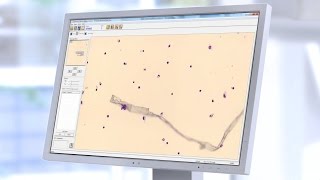
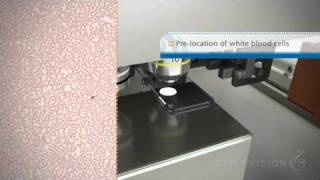
The CellaVision DM1200 with the Body Fluid Application is an automated digital cell morphology system designed to streamline and simplify the process of performing blood and body fluid differentials in hematology laboratories. It leverages high-speed robotics and advanced digital imaging to automatically locate and capture high-quality images of cells from peripheral blood smears and cytocentrifuged body fluid preparations. The system, when integrated with CellaVision applications and supporting software, becomes the core of an automated digital workflow for cell morphology.

The Body Fluid Application specifically enables laboratories to automate, standardize, and simplify the morphological examination of body fluid preparations. It utilizes innovative AI technology to extract cellular features from digital images and provides a pre-classification of white blood cells into various cell types, which is then reviewed and verified by a Medical Technologist. This automation aims to increase productivity, reduce turnaround times, improve diagnostic quality, and enhance collaboration among laboratory staff and clinicians.

Reviewed by Pouyan Golshani, MD — Interventional Radiologist

Key Features

  • Automated blood and body fluid differentials
  • High-speed robotics and digital imaging for cell location and capture
  • AI-powered pre-classification of WBCs (up to 18 distinct cell classes for peripheral blood, 5 for body fluids)
  • Pre-characterization of RBC morphology and platelet estimation
  • Loading capacity of 12 slides
  • Throughput: up to 20 slides/hour for peripheral blood, up to 15 slides/hour for body fluids
  • Digital scan of pre-defined areas of interest
  • Automatic immersion oil dispensing
  • Integration with Laboratory Information Systems (LIS)
  • Supports remote review and collaboration (with additional software)

Use Cases

  • Routine blood and body fluid analysis in hematology laboratories
  • Differential count of white blood cells in peripheral blood and body fluid preparations
  • Characterization of red blood cell morphology and platelet estimation
  • Screening of abnormal blood samples flagged by automated cell counters
  • Training and competency assessment for medical technologists
  • Pathology consultation and inter/intra-lab comparison

What Physicians Need to Know

LIS/LIMS Integration
Offers bi-directional LIS support (ASTM) to query for patient demographics and order data. It can analyze slides with blood and body fluids mixed when interfaced to a LIS.
Supported Assay Types
Designed for differential counts of white blood cells (WBCs) in cytocentrifuged body fluid preparations, including spinal, synovial, and pleural fluids. It provides pre-classification into Neutrophils, Eosinophils, Lymphocytes, Macrophages (including Monocytes), 'Other' (Basophils, Lymphoma cells, Atypical lymphocytes, Blasts, and Tumor cells), and Unidentified. Non-WBC pre-classification includes Smudge cells and Artefacts, with the ability for users to add additional cell classes for manual re-classification.
QC/QA Features
Includes a cell location accuracy test to verify hardware and stain quality. It promotes standardized operational procedures and validation processes for consistent results.
Result Interpretation AI
Utilizes innovative AI technology (Artificial Neural Network) to extract cellular features from digital images and provide a preliminary pre-classification of cells. This pre-classification requires review and verification by a Medical Technologist.
Critical Value Alerts
While the system provides pre-classified differentials, it facilitates the identification of critical findings by the Medical Technologist, who then triggers the laboratory's critical alert protocols. Critical values for body fluids (e.g., CSF WBC u2265 100/uL, Synovial fluid WBC u2265 1000/uL, Pleural/ascitic WBC u2265 1000/uL) are typically defined by the laboratory and communicated by personnel.
Instrument Interfaces
Supports bi-directional LIS communication via ASTM and Ethernet (10/100 Mbps). It can share a database with other CellaVision DM and Sysmex DI-60 analyzers, enabling a networked digital morphology workflow.
Reference Range Intelligence
The system provides detailed cell morphology data. While it doesn't automatically apply or flag against specific reference ranges, it allows users to add their own reference cells to create a customized reference library for comparison and training.
Turnaround Time Impact
Significantly reduces manual microscopy time, streamlining the review process and improving turnaround times for body fluid differentials. Digital imaging and remote review capabilities enable real-time collaboration and expert consultation, further accelerating result delivery.
Physician Tip

Physicians can expect faster and more consistent body fluid differential results due to the automation and standardization provided by the CellaVision DM1200. The digital images and remote review capabilities allow for rapid expert consultation and access to historical patient images, aiding in quicker diagnostic decisions and improved patient management, especially in time-sensitive cases. The detailed pre-classification helps ensure thorough examination, even if final verification by a technologist is required.

The CellaVision DM1200 is designed for seamless integration into existing laboratory workflows through bi-directional LIS connectivity (ASTM). Its ability to share a database with other CellaVision DM and Sysmex DI-60 analyzers facilitates a unified digital morphology platform across a network of laboratories, enhancing collaboration and standardizing results reporting.

Details

Category Lab & Diagnostics, Pathology AI
Pricing Contact for pricing
DeploymentOn-premise (laboratory device with networked software components)
Compliance
BAA AvailableUnknown AI-estimated
HIPAA CompliantUnknown AI-estimated
FDA Status 1 AI-estimated

The CellaVision DM1200 with the Body Fluid Application received FDA clearance (K102778) on September 16, 2011, as an automated cell-locating device intended for in-vitro diagnostic use for differential count of white blood cells in cytocentrifuged body fluid preparations.

Integrations
EHR Not specified
Specialties Hematology, Laboratory Medicine, Pathology

What the Web Says

The CellaVision DM1200 with the Body Fluid Application is an automated digital cell morphology system designed to streamline and standardize the analysis of blood and body fluid samples in medium to large-sized laboratories. It uses high-speed robotics and digital imaging to capture and pre-classify cells, aiming to reduce manual effort and improve efficiency. While generally effective for routine tasks and common cellular morphology, it still requires verification by a medical technologist, especially for abnormal samples and complex cell identification.

Overall: Mixed

Strengths

  • Automates and simplifies blood and body fluid differentials, reducing manual microscopy time.
  • Provides pre-classification of white blood cells and pre-characterization of red blood cells, speeding up the review process.
  • Enhances standardization and consistency of results.
  • Enables real-time collaboration and remote review of slides and images.
  • Improves ergonomics by reducing physical strain associated with traditional microscopy.
  • Useful for educational purposes and building reference libraries with digital images.

Limitations

  • Challenges in accurately identifying rare and dysplastic cells, requiring expert review.
  • Can struggle with body fluid samples, especially those with low white blood cell counts, sometimes failing analysis.
  • Limitations in red blood cell morphology identification, such as the inability to focus up and down on the slide for inclusions like HJ bodies.
  • May misclassify cells, with instances of eosinophils in monocyte categories or lymphocytes called blasts.
  • Accuracy is highly dependent on the quality of blood film and staining techniques.
  • Cannot fully replace manual WBC differential counting; reclassification and slide review are still necessary for abnormal samples.

Based on reviews from: A critical analysis of CellaVision systems in the modern hematology laboratory - PMC - NIH, CellaVisionu00ae DM1200, CellaVisionu00ae DM1200 Digital Cell Analyzer - Aerosprayu00ae Staining, CellaVision DM1200 Digital Cell Morphology System u0413u0435u043cu0430u0442u043eu043bu043eu0433u0438u0447u0435u0441u043au0438u0439 u0430u043du0430u043bu0438u0437u0430u0442u043eu0440, Does your lab have Cellavision? What do you like or dislike about it? - Reddit, CellaVision's new analyzer CellaVisionu00ae DM1200 presented at AACC in the USA, FDA clears CellaVisionu00ae Body Fluid Application for the CellaVisionu00ae DM1200 Cell Morphology System, CellaVision DM1200 - HealthAidb u2014 Software, Introducing: CellaVisionu00ae DM1200 - YouTube, Helping Labs become Best Practice in Cell Morphology, CellaVision DM1200 - HORIBA, CellaVisionu00ae Body Fluid Application, REVIEW MEMORANDUM - FDA, CellaVision DM1200 - YouTube, Performance evaluation of digital morphology analyzer CellaVision DM1200, Cellavision... : r/medlabprofessionals - Reddit, Tips for getting ready to use CellaVision : r/medlabprofessionals - Reddit, Cellavision : r/medlabprofessionals - Reddit, Real-World Application of Digital Morphology Analyzers: Practical Issues and Challenges in Clinical Laboratories - PMC

Last updated: 2026-07-18

Ratings & Reviews

No reviews yet. Be the first to review this tool!

Rate CELLAVISION DM1200 WITH THE BODY FLUID APPLICTION

Clinical Value
Ease of Use
Integration
Support & Docs
Value for Money

Press & Coverage

Annals of Clinical & Laboratory Science (via CellaVision Bibliography)
Comparative Evaluation of Body Fluid Analysis by Sysmex XN Hematology Analyzers, CellaVision, Manual Microscopy and Multicolor Flow Cytometry
This peer-reviewed study evaluated the performance of the CellaVision DM1200 Body Fluid Application against other methods for body fluid differentials, using CellaVision images as a morphological reference. It compared instrumental body-fluid differentials with conventional optical microscopy and flow cytometry in tumor-free fluids.
2022-01
U.S. Department of Veterans Affairs
VA AI Use Case Inventory - CellaVision DM1200 with the body fluid application
The U.S. Department of Veterans Affairs listed the CellaVision DM1200 with the body fluid application as a deployed, FDA-cleared medical device assisting clinicians and improving healthcare outcomes within the VHA. This entry signifies its active authorization and utilization within the agency.
2024-12
CellaVision (via press release)
FDA clears CellaVisionu00ae Body Fluid Application for the CellaVisionu00ae DM1200 Cell Morphology System
CellaVision announced that it received FDA clearance to market and sell its Body Fluid Application for use with the CellaVision DM1200 system, enabling clinical laboratories to automate and streamline the analysis of various body fluids. This clearance allowed CellaVision to offer a fully automated analyzer for both blood and other body fluids to medium-sized laboratories.
2011-09
U.S. Food and Drug Administration (FDA)
REVIEW MEMORANDUM (K102778) - CellaVisionu00ae DM 1200 with the body fluid application
This FDA review memorandum details the 510(k) premarket notification for the CellaVision DM1200 with the body fluid application, outlining its intended use for white blood cell differentials in cytocentrifuged body fluid smears. It describes the device's technology, functionality, and performance characteristics, including accuracy studies.
2011-09
CellaVision
CellaVisionu00ae Body Fluid Application
This product page describes the CellaVision Body Fluid Application, highlighting its ability to automate, standardize, and simplify the morphological examination of body fluid preparations. It details features such as WBC differential pre-classification using AI technology and tools for review and collaboration.
2026-04
CellaVision
CellaVisionu00ae DM1200
The CellaVision DM1200 product page outlines the analyzer's design to automate and simplify peripheral blood and body fluid differentials through high-speed robotics and digital imaging. It emphasizes its role in creating a streamlined digital cell morphology workflow for laboratories.
2026-04

Videos

Product demos, reviews, and walkthroughs for CELLAVISION DM1200 WITH THE BODY FLUID APPLICTION.

View all on YouTube

Frequently Asked Questions

The CELLAVISION DM1200 with the Body Fluid Application automates the preliminary differential count of nucleated cells in body fluid samples, such as spinal, synovial, and pleural fluid. It uses AI to locate and pre-classify cells, presenting digital images for review and verification by a Medical Technologist. This streamlines the process, aiming to increase quality and efficiency by reducing manual microscopy time.
The CellaVision DM1200 with the Body Fluid Application has received FDA clearance for marketing and sale in the US, and complies with Regulation (EU) 2017/746 (IVDR) in Europe. It is classified as a Class II automated cell-locating device. While specific details on HIPAA or GDPR compliance for data privacy aren't explicitly detailed in the search results, CellaVision's systems are designed for in-vitro diagnostic use and integrate into laboratory information systems, implying adherence to relevant healthcare data security practices.
Alternatives to the CellaVision DM1200 for body fluid analysis typically include manual microscopy or other automated/semi-automated cell counters. The DM1200 differentiates itself by using innovative AI technology for automated pre-classification of nucleated cells into specific categories, such as neutrophils, eosinophils, lymphocytes, and macrophages. This AI-driven pre-classification, followed by technologist verification, aims to standardize results and improve efficiency compared to purely manual methods.
The cost structure for the CellaVision DM1200 with the Body Fluid Application includes the initial purchase of the analyzer and the separate body fluid application, along with ongoing costs for consumables and maintenance. While specific pricing isn't publicly available, it's designed for medium-sized laboratories to automate and streamline their workflow. The projected ROI comes from increased efficiency, reduced manual review time, and standardized results, which can help address the decline in qualified Medical Technologists.
The AI in the CellaVision DM1200 performs a pre-classification of cells, but it requires verification by a Medical Technologist, especially for complex cases. While it pre-classifies common cell types, rare cell types, atypical morphologies, or cells with low confidence levels may be categorized as 'Other' or 'Unidentified,' necessitating expert human review. Manual microscopic review remains indispensable for confirming challenging classifications and ensuring diagnostic accuracy, as the AI is a tool to aid, not replace, human expertise.
Clinical validation studies have compared the CellaVision DM1200 with the Body Fluid Application to predicate devices like the CellaVision DM96, showing comparable analytical performance for differential leukocyte counts. The system automatically locates and presents images of cells, with the operator verifying the suggested classification. While specific sensitivity and specificity figures for all body fluid cell types are not readily available in the provided snippets, the system is intended to be used by skilled operators trained in cell recognition, and its pre-classification accuracy for peripheral blood has been reported as high for common cell types.
CellaVision provides comprehensive training and support for the DM1200, including basic and full certification programs for both service engineers and application specialists. Training involves self-paced e-learning courses, written assessments, and online seminars focused on practical application. Ongoing support includes 'Ask the Expert' webinar sessions and technical assistance to ensure laboratory staff are proficient in using the AI-driven system.

Related Tools

LabLynx AI-Powered LIMS
LabLynx
Lab & Diagnostics
LabLynx AI-Powered LIMS integrates AI and Machine Learning into laboratory information management systems to automate complex analyses, predict outcomes, and optimize workflows for various lab settings. The platform offers LIMS, ELN, and Lab Automation suites, providing configurable and scalable solutions for diverse laboratory needs.
August AI
August AI
Lab & Diagnostics
August AI offers an AI-enabled telehealth platform with an AI health chatbot and virtual care services, including telehealth visits and prescription management. The company's AI chatbot is available globally for free, providing information and not medical advice. In the U.S., August AI offers August Care, a membership that provides clinical services, discounted labs, and quick prescriptions.
Allergios®
Allergios®
Lab & Diagnostics
Allergios® is developing an in-vitro diagnostic system that directly visualizes allergic responses in blood serum to provide unambiguous allergy diagnoses, starting with food allergies.
PNOĒ
PNOĒ
Endocrinology & Metabolic AI
PNOĒ is a science-backed cardiometabolic analyzer that performs comprehensive breath-based assessments to measure 23 biomarkers, including VO₂ max, resting metabolic rate (RMR), fat burn efficiency, and biological age. It delivers a 360° snapshot of an individual's physiology by analyzing how oxygen flows through the lungs, heart, and cells. The insights generated are used to personalize nutrition, exercise, and longevity plans.
Folklore Clinical Variant Interpretation
Helena Bioinformatics
Lab & Diagnostics
Folklore is a clinical variant interpretation platform for genetic laboratories and researchers that brings genomic annotation, ACMG/AMP classification, phenotype and inheritance evidence, literature, and structured reporting into one traceable workflow.
Insitro
Insitro
Drug Discovery & Research
Insitro combines automated cellular experiments with population-scale genetics to build Physical AI systems that reveal causal drivers of human disease and deliver targeted therapeutics.

See all Lab & Diagnostics tools →

More from CellaVision AB

Advanced RBC Application
CellaVision AB
Lab & Diagnostics
CellaVision Advanced RBC Application is an AI-powered software module that automates and standardizes the morphological examination of red blood cells, complementing peripheral blood smears for enhanced diagnostic efficiency in hematology labs.
CellaVision DC-1
CellaVision AB
Lab & Diagnostics
CellaVision DC-1 is an AI-powered digital cell morphology analyzer that automates and standardizes blood cell differentials in low-volume hematology laboratories, enhancing efficiency and diagnostic accuracy through digital imaging and pre-classification.
CELLAVISION DM96 AUTOMATIC HEMATOLOGY ANALYZER
CELLAVISION AB
Lab & Diagnostics
The CellaVision DM96 Automatic Hematology Analyzer was an automated image analysis system that revolutionized hematology laboratories by providing digital solutions for differential counting of white blood cells and characterization of red blood cells, leveraging AI for pre-classification and enhancing workflow efficiency.
CELLAVISION DM96 WITH THE BODY FLUID APPLICATION
CELLAVISION AB
Lab & Diagnostics
The CellaVision DM96 with the Body Fluid Application is an FDA-cleared automated digital morphology system that uses AI to analyze and pre-classify cells in blood and various body fluid samples, enhancing diagnostic efficiency and standardization in hematology laboratories.

View company profile →

Suggest an Edit → | Last Verified: 2026-04-18 | First Added: 2026-04-18
AI Tool Finder
AI-powered search. Results may not be comprehensive.